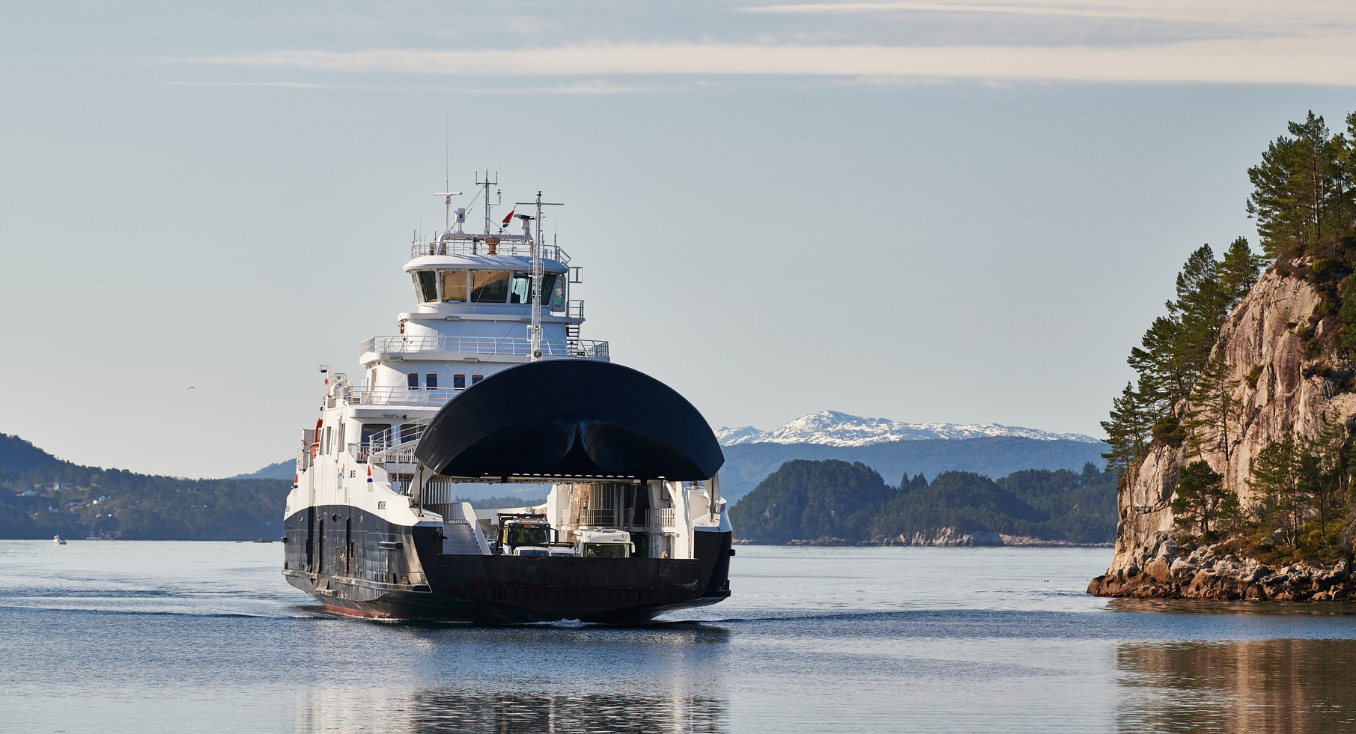
IMO Tier III for Workboats: Making Compliance Work in Real Operations
Workboats are being asked to do something that sounds straightforward on paper and becomes far more demanding in practice: reduce emissions without sacrificing uptime, fuel efficiency, serviceability, or commercial flexibility. That pressure is only increasing as the emissions landscape evolves. Maritime transport still carries around 80% of global trade by volume, and the IMO’s ECA framework continues to expand, including the entry into force of new ECAs in the Canadian Arctic and Norwegian Sea on 1 March 2026.
That is why the real challenge is no longer just meeting a limit on paper. It is making compliance work in the real operating life of a vessel: across changing operating areas, tight machinery spaces, demanding duty cycles, short yard windows, and constant pressure to stay available. In workboats, aftertreatment solution is not just an emissions topic. It is an operational one.
When does IMO Tier III actually apply?
This is the first point worth getting right, because many market discussions still oversimplify it.
IMO Tier III does not automatically mean that every older workboat now needs a retrofit. Under Regulation 13, Tier III applies to the specified ships and engines while operating in designated NOx ECAs. Outside those areas, Tier II applies. The rules cover marine diesel engines over 130 kW, with applicability linked to ship construction date and operating area.
That distinction matters commercially. In workboats, most projects are still newbuilds. Retrofit can be relevant, but it is usually driven by a concrete business case: access to a tender, stronger environmental positioning, or a customer requirement that goes beyond the legal minimum.
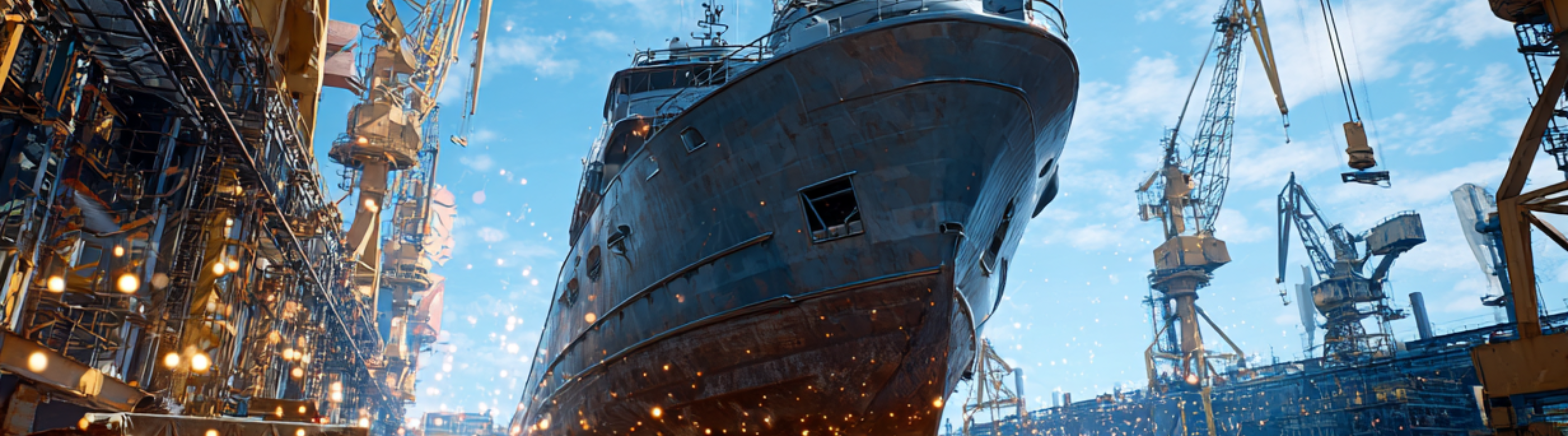
Newbuild first. Retrofit when there is a real driver.
For many workboats, Tier III is planned in from the beginning. That is the more straightforward path. Space is reserved early, the SCR concept is known up front, and the integration work can be engineered around the vessel from the start.
Retrofit is different. The challenge is rarely the regulation alone. The challenge is integrating an emissions system into a vessel that was never designed to carry it. Available space is tight. Service access has to be preserved. Back pressure becomes more sensitive. Tank location, electrical supply, routing, and installation timing all become more critical. Retrofit is possible, but it needs a clear technical and commercial reason.
“The real value is not just achieving compliance. It is achieving compliance in a way that fits the vessel and works over time.”
Peter Zijdemans - Head of Workboat Business Unit
How do I meet IMO Tier III requirements when operating in multiple ECAs?
In practice, this is less about complexity for its own sake and more about having the right operating concept.
With a switchable SCR system, entering an ECA means switching to Tier III mode, starting urea dosing, and reducing NOx. Leaving the ECA means the system can be switched off again. That keeps the vessel compliant where required, while avoiding unnecessary operation outside the regulated area.
That also has a direct impact on operating cost and onboard design. A system that runs continuously will continue consuming urea continuously. A switchable concept reduces unnecessary reductant use outside ECAs and can support a smaller urea tank because storage does not have to be sized around permanent operation.
There is also a documentation requirement. The revised MARPOL Annex VI text states that the tier and on/off status of relevant engines must be recorded at entry into and exit from a NOx Tier III ECA, and whenever status changes within that area, together with the date, time, and position of the ship. In technical terms, the vessel needs a clear operational record showing when Tier III mode was activated, when it was deactivated, and where those changes took place.
So the smartest compliance concept is often not the most complicated one. It is the one that allows the vessel to switch cleanly, operate simply, and maintain a clear compliance record.
How can I achieve NOx compliance without increasing fuel consumption or operational complexity?
A useful way to think about this is to separate the chemistry from the engineering.
Urea consumption is governed by chemistry. If a vessel needs to reduce a certain amount of NOx, a corresponding amount of reductant is required. What can be influenced is how efficiently the aftertreatment system is integrated and how much additional burden it places on the engine.
This is where back pressure matters. Every aftertreatment system adds resistance to exhaust flow. The lower that added back pressure, the less work the engine has to do to push exhaust gas through the system. In practice, that means lower fuel-consumption penalty. Over thousands of operating hours, even a modest reduction in back pressure can translate into a meaningful reduction in fuel burn, and fuel is one of the largest long-term operating costs on any hard-working vessel. That is why low-back-pressure SCR design is not just an efficiency point. It is a lifecycle cost point. A compact SCR with efficient catalyst design can reduce pressure loss while also making packaging easier in the machinery space.
Operational simplicity matters as well. The best setup is one that fits naturally into vessel operation: switch on when required, switch off when permitted, maintain the operational record, and let the system do its job with minimal crew burden.
“The goal is lower NOx with stable operation, efficient fuel use, and straightforward vessel management.”
Peter Zijdemans - Head of Workboat Business Unit
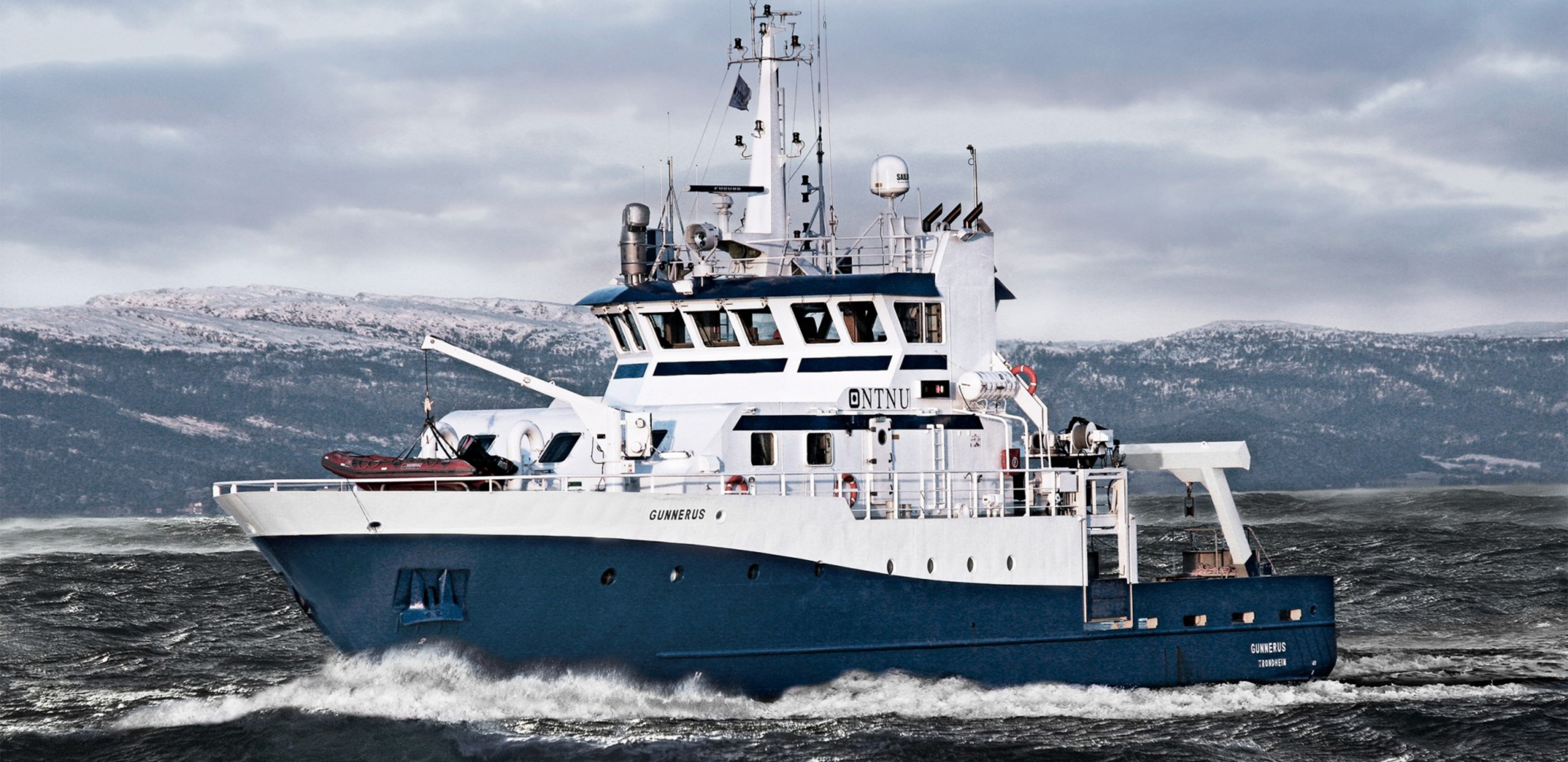
What makes an SCR solution reliable over the long term?
Reliability in workboats is not a brochure claim. It is a lifecycle outcome.
A reliable SCR solution is one that delivers stable emissions performance over many running hours, remains serviceable, protects uptime, and maintains long intervals between overhauls. Those qualities matter because workboats do not operate as lab installations. They operate under real schedules, real weather, real load changes, and real commercial pressure.
The dosing concept plays an important role here. In an air-assisted dosing system, compressed air helps atomize the urea solution into fine droplets before it enters the exhaust stream. Better atomization supports more uniform mixing and evaporation, which helps reduce the risk of deposits and crystallization around the injector area. That becomes especially important when the system is not running continuously, because stop-start operation can increase the risk of deposit build-up if the dosing concept is not robust. Over the long term, that translates into better injector reliability, more stable operation, and less downtime exposure.
For shipowners, that changes the selection logic. The question is not only whether an SCR system can meet Tier III on paper. It is whether it can keep doing so over time, with predictable maintenance intervals and dependable performance in the vessel’s real operating profile.
What are the space, back pressure, and integration challenges of installing SCR or DPF systems on ships?
This is where marine aftertreatment becomes real engineering.
On retrofit projects especially, space is usually the first constraint. The vessel was not originally designed to accommodate aftertreatment, so the system has to be integrated into the limited room that is actually available on board. Once that space becomes tight, every surrounding decision becomes more sensitive: routing, maintenance access, silencing, urea storage, structural arrangement, and electrical integration.
Back pressure is the second major constraint. The system has to suit the engine, not just fit the compartment. If the engine cannot tolerate the added back pressure, performance will suffer. If exhaust temperatures are too low, the urea will not evaporate properly and the SCR reaction will not perform as intended. If temperatures are too high, catalyst ageing accelerates. These are the conditions that determine how efficiently and reliably the system will work over time.
That is also why one-size-fits-all solutions are risky. Standardized modular systems may work well in straightforward cases, but complex projects often need a solution designed around the vessel rather than around a fixed product architecture.
Table 1 — What usually drives the solution choice?
| Objective | Likely path | What matters most |
|---|---|---|
| Meet IMO Tier III NOx requirements in ECA operation | SCR | Switchability, low back pressure, correct temperature window, robust dosing |
| Upgrade an existing vessel without replacing the engine | Retrofit SCR, case by case | Available space, engine suitability, acceptable back pressure, yard planning |
| Reduce visible smoke and PM near ports or sensitive areas | DPF or SCR + DPF | PM target, regeneration behavior, service access, integration space |
| Go beyond baseline compliance toward more ambitious low-emission targets | SCR + DPF | Combined NOx and PM control, tighter integration, more documentation |
The important point is that the technology should follow the target. Not every vessel needs the most complex solution. Every vessel needs the right one.
What is the best emissions reduction solution for marine engines with variable load profiles?
Variable load is where generic claims become especially risky.
SCR performance depends strongly on temperature. If exhaust temperatures are too low, dosing and reaction quality become problematic. If temperatures are too high, catalyst life is affected. That makes real duty-cycle data essential. It is not enough to know the engine type and rated power. The operating profile matters.
Recent EPA testing on large marine engines reinforces that point. EPA notes that many Tier III engines use SCR, but also highlights the sensitivity of SCR performance to exhaust-gas temperature at low load, including situations where system operation may be limited below the minimum effective temperature window.
For owners, that means the best emissions solution is not chosen by engine category alone. It is chosen by understanding how the vessel actually runs.
How can I reduce visible smoke and particulate matter in port and near-coastal operations?
When particulate matter, visible smoke, or a stronger environmental profile becomes part of the target, the conversation changes.
SCR is the established route for NOx reduction. DPF becomes relevant when particulate control matters as well. Verified diesel particulate filter technologies can achieve very high PM reduction, with official EPA technical material describing PM reductions of 85% to 90% or more for suitable applications.
For workboats, that does not make DPF the default answer. It does mean that where owners are targeting cleaner port operation, reduced visible smoke, or more ambitious low-emission performance, DPF or SCR+DPF can become the right technical path.
How to achieve ULEV notation
Voluntary low-emission notations are about going beyond baseline compliance.
Bureau Veritas describes its ULEV notation as recognition for vessels that exceed existing MARPOL requirements by using advanced emission-control technology to achieve ultra-low pollutant emissions. In practice, this points toward a broader emissions strategy that addresses not only NOx, but particulate emissions as well.
For owners, that makes ULEV less a matter of adding a badge and more a matter of defining a higher environmental target from the start, then selecting the aftertreatment concept that can credibly support it.
What should shipowners consider when selecting an SCR or DPF supplier?
The first question should be simple: is this particular concept the right one for my vessel?
That matters because not every engine and not every duty cycle is suitable for every aftertreatment concept. Exhaust temperatures, acceptable back pressure, available space, power supply, service access, and operating profile all need to be assessed before the design can be trusted. A supplier who starts with a standard module and asks questions later may move quickly, but not always wisely.
The second question is whether the supplier can support the project beyond hardware. Depending on the case, owners may need formal certification, class-facing documentation, proof that the system remains within required limits, or a simpler demonstration of compliant operation. Those are not the same thing, and the difference matters.
The third question is whether the partner understands that long-term reliability is part of the original buying decision. In workboats, service support is not an afterthought. It is part of the value of the system from day one.
How do I ensure emissions compliance while minimizing downtime during retrofit or newbuild installation?
This is where strong projects separate themselves from difficult ones.
A great deal can be resolved before the vessel enters the yard: onboard measurements, engine data collection, service-access planning, system sizing, urea storage concept, available power and voltage, installation sequence, and prefabrication. The more thoroughly those points are solved in advance, the lower the risk of redesign, delay, or installation disruption during the actual yard window.
And that matters because dry-dock windows are short. In many marine projects, installation has to be completed within a narrow period of only a few weeks. In a schedule that tight, rework quickly becomes expensive. A project that is engineered correctly from the start is not only technically stronger. It is commercially stronger because it reduces disruption, protects vessel availability, and lowers execution risk.
“The smoothest projects are usually the ones that solved the difficult engineering questions before installation began.”
Peter Zijdemans - Head of Workboat Business Unit
Table 2 — The questions that should be answered before design freeze
| Input | Why it matters |
|---|---|
| Correct engine data | Confirms whether the concept is feasible and how the system should be sized |
| Exhaust temperature profile | Determines whether SCR can operate effectively without durability issues |
| Acceptable back pressure | Protects engine performance and long-term fuel economy |
| Available installation space | Defines what can physically be integrated |
| Service-access concept | Prevents future maintenance bottlenecks |
| Urea storage plan | Affects range, space use, and tank sizing |
| Available onboard power and voltage | Ensures the system can function as intended |
| Yard and dry-dock window | Sets the timetable for preparation, prefabrication, and installation |
Making the right emissions strategy work
The workboat emissions discussion is often framed too narrowly. It is treated as a question of hitting a limit. In reality, it is a question of building the right strategy around the operating life of the vessel.
Sometimes that means a straightforward SCR concept for Tier III compliance in ECA operation. Sometimes it means switchability to reduce urea use and avoid unnecessary tank volume. Sometimes it means a carefully engineered retrofit where space and back pressure are the decisive constraints. And sometimes, when particulate emissions and ambitious environmental targets come into play, it means moving beyond SCR alone.
The most credible suppliers understand that difference. They do not begin with a generic answer. They begin with the vessel, the duty cycle, the operating area, the back-pressure limits, the yard reality, and the owner’s actual objective.
That is where Hug Engineering’s position is strongest: not in making the loudest claim, but in engineering an answer that will still make sense after commissioning, when the vessel is back at work and compliance has to perform reliably in real operations.