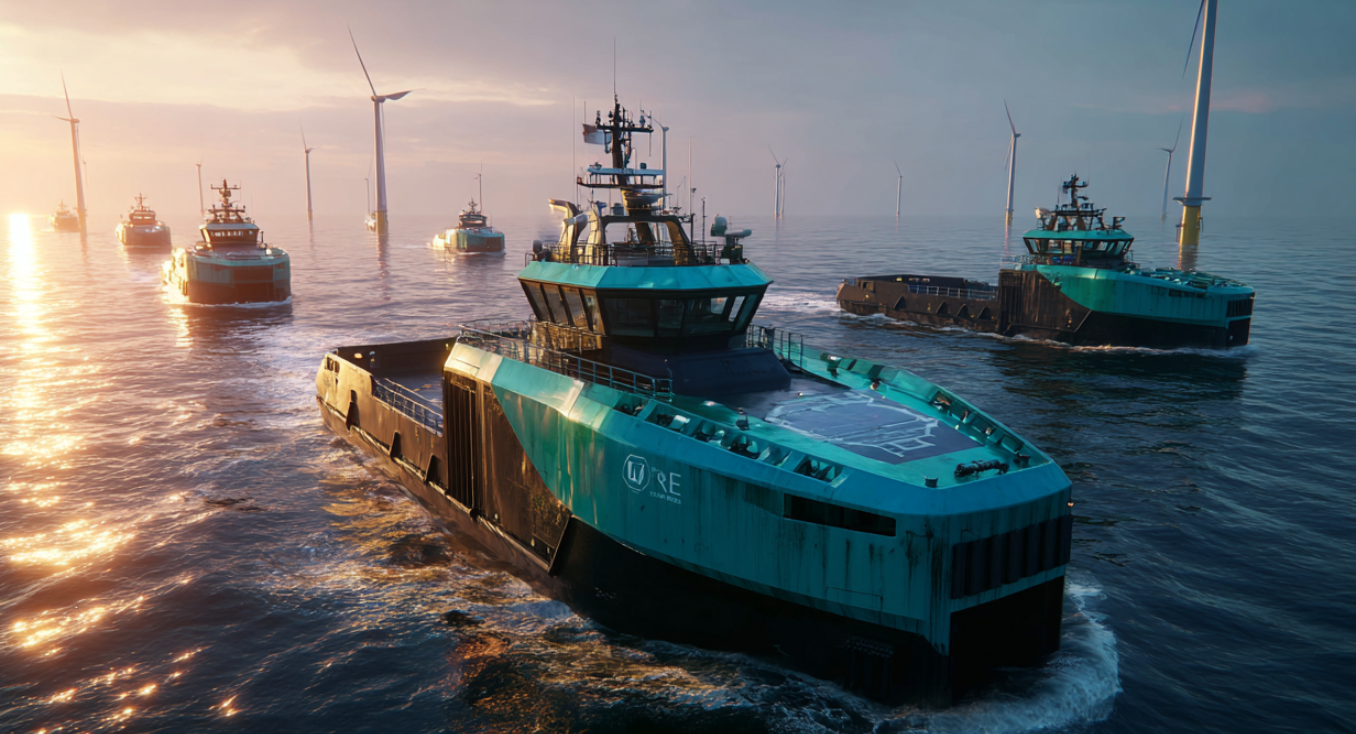
Powering Compliance and Performance at Sea
Hug Engineering’s Emissions Aftertreatment Solutions for Workboats
In today’s maritime landscape, workboats must navigate more than rough waters - they must also meet increasingly strict emissions regulations while maintaining uptime, efficiency, and cost control. Whether pushing cargo across ports, servicing offshore platforms and wind farms, or dredging coastlines, workboats operate in some of the most demanding environments in the marine world.
At Hug Engineering, we’ve been solving these challenges for over 40 years. As a global leader in exhaust aftertreatment systems, we design and deliver SCR (Selective Catalytic Reduction) and DPF (Diesel Particulate Filter) solutions tailored for the real-world needs of workboat fleets. We help operators and shipyards meet emissions targets, extend service life, and future-proof their vessels - without compromise.
Why Emissions Matter More Than Ever
The expansion of IMO Tier III regulations and Emission Control Areas (ECAs) is redefining what it means to operate a compliant fleet. What began in North America and Northern Europe is now reaching regions like Canada, Caribbean and The North-East Atlantic Ocean - where ship operators must meet strict NOx emissions limits, or even go beyond them, to continue operating or bidding for contracts.
These regulations are no longer limited to large container vessels. Workboats - tugs, ferries, dredgers, offshore supply vessels - are directly in scope. The pressure is on to comply, operate cleanly, and do so affordably.
Shipyards and Ship Owners Face Different Challenges. We Solve Both.
We understand that compliance alone isn’t enough. Hug systems are engineered to solve the practical challenges our customers face every day - space limitations, engine layout constraints, serviceability, uptime, and cost of operation. That’s why we tailor our offering to both shipyards and vessel owners.

For Shipyards:
Smart Design. Smooth Integration.
- Ease of Installation: Our compact, modular systems are designed for seamless integration. Complete documentation and custom layouts ensure smooth implementation and optimal use of engine room space.
- Cost Efficiency: Instead of purchasing a full IMO Tier III engine, shipyards can opt for a more cost-effective IMO Tier II engine combined with our aftertreatment system - maintaining full flexibility in their supply chain, using engines already in stock, and preserving existing engine room designs.
- Guaranteed Compliance: All Hug systems are certified for the most common engine brands and types, and fully comply with the emission standards of all major classification societies.
- Proven Experience: With decades of hands-on experience, we maintain long-standing partnerships with OEMs such as Scania, Cummins, and ABC, and provide reliable systems for engines from CAT, MTU, and many others.
“For shipyards, it’s about space, speed, and documentation. We give them the flexibility they need—something OEMs struggle to offer project by project.”
Peter Zijdemans - Head of Workboat Business Unit
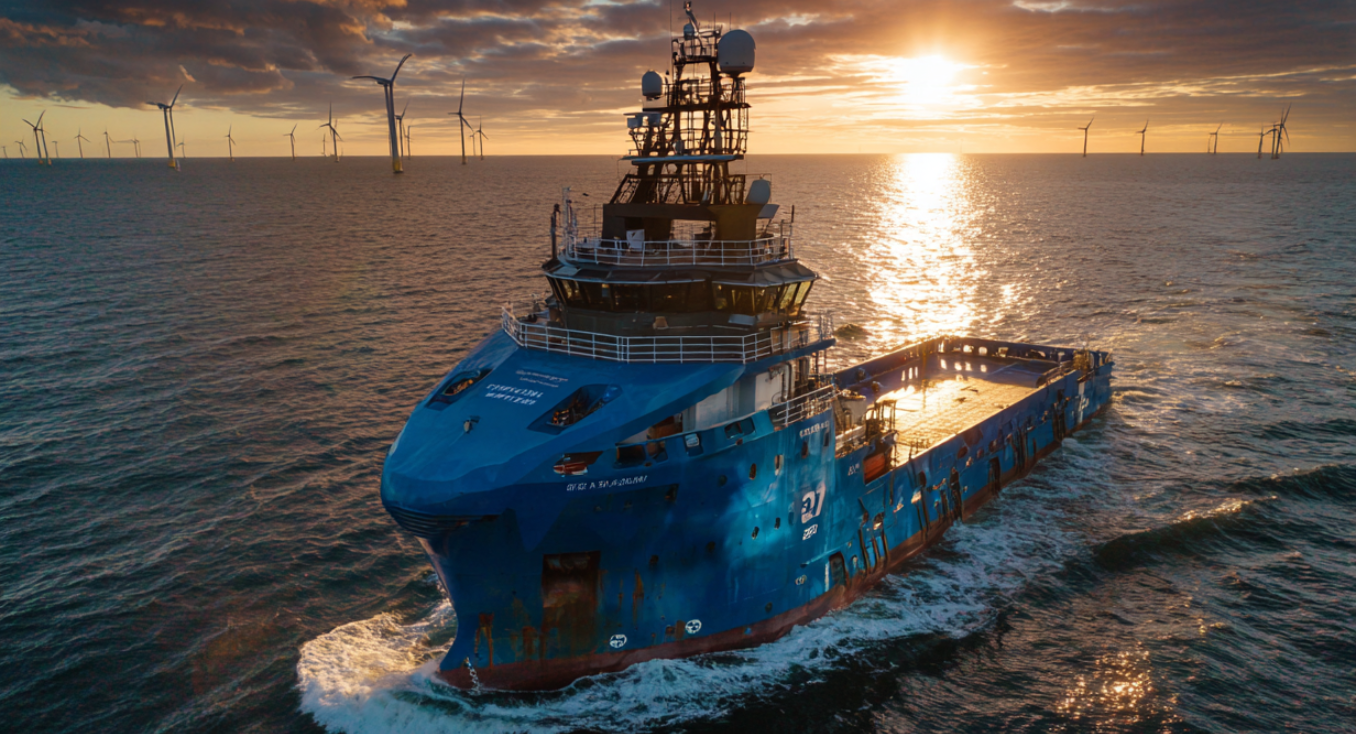
For Ship Owners:
Compliance, Cost-Saving, and Confidence.
- Retrofit Capability: Our systems offer the flexibility to upgrade existing fleets to IMO Tier III - whether starting from IMO Tier II or even older IMO Tier I engines - enabling vessel owners to remain competitive when bidding for environmentally sensitive contracts.
- IMO Tier III Switchable Mode: Our SCR systems can be turned off outside ECAs, significantly reducing urea consumption and preserving valuable bunker space.
- Future Fuel Readiness: Hug systems are ready for methanol, ammonia, LNG, and hydrogen-fueled engines, supporting operators transitioning to alternative fuels.
- Flexible Integration: Our systems allow for the addition of DPFs, silencers and spark arrestors depending on operational needs.
- Low Lifecycle Costs: Our catalysts last up to 20,000 operating hours, significantly reducing maintenance needs and lowering total cost of ownership. And thanks to the switchable design, operators can reduce DEF/urea consumption when sailing outside ECA zones.
- Certified NOx Monitoring: Built-in, certified NOx measurement devices eliminate the need for third-party annual checks - saving time, money, and operational hassle.
“If 90% of a vessel’s route is outside ECAs, the ability to turn off the system when not needed brings real savings. Ship owners love that.”
Peter Zijdemans - Head of Workboat Business Unit
Built for Serviceability
Fewer Stops. More Time at Sea.
Workboats are built for continuous operation. That’s why Hug systems are designed for maximum uptime and minimal service disruption.
- Catalyst lifespan of up to 20,000 hours - equivalent to three years or more of continuous operation
- Extended maintenance intervals for dosing and air supply components
- Smart, accessible system layout designed for fast maintenance - and always connected for remote monitoring and support
- Global service network ensures rapid on-site response wherever your vessel operates
For operators, this means lower OPEX, fewer port calls for maintenance, and predictable service scheduling - so vessels can stay where they belong: on the water, working.
“In a 24/7 marine environment, every day in operation matters. With Hug systems, you go longer without servicing - and when you do, it’s fast and efficient.”
Carlo Bertoglio - Sales & Projects Director
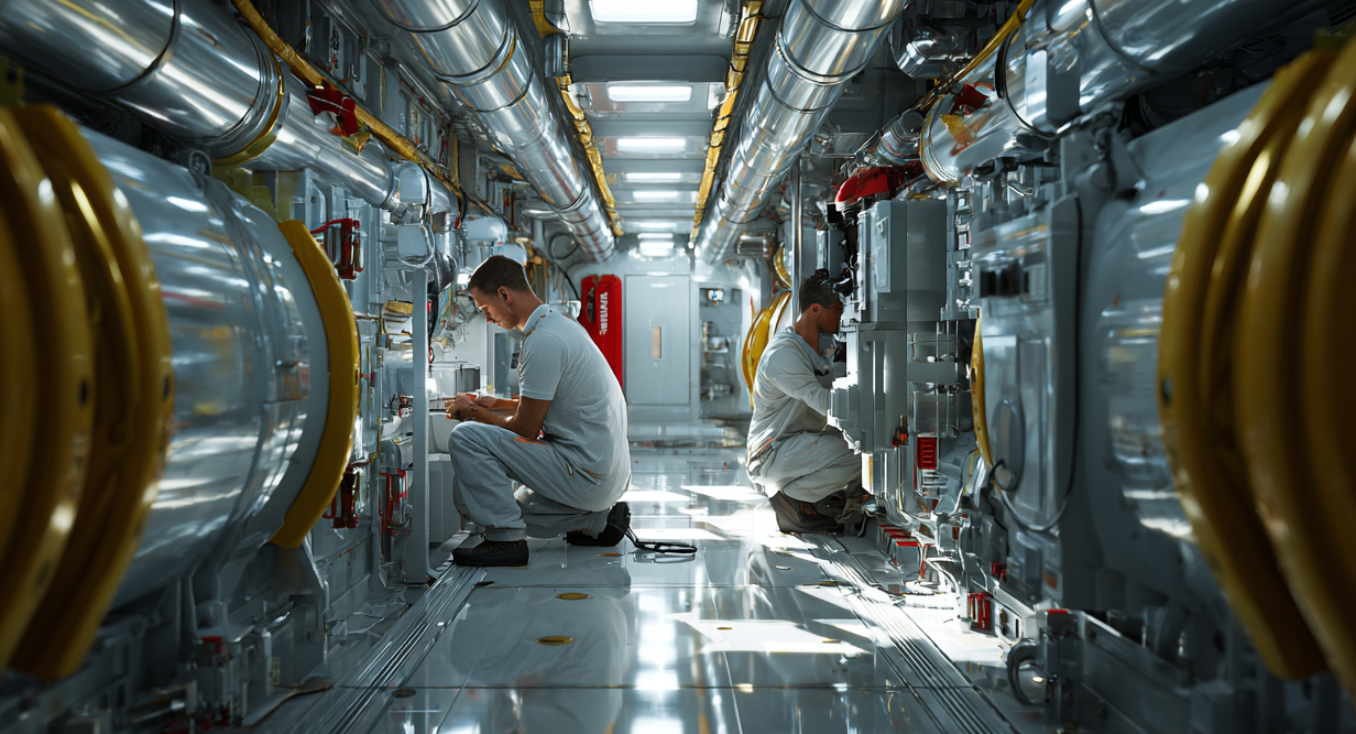
Future Fuels Need Smarter Aftertreatment
As the marine industry moves toward alternative fuels, SCR systems must keep up. Many OEMs are now adapting engines for methanol, ammonia, LNG, and hydrogen, but lack the resources to develop compatible aftertreatment.
That’s where Hug Engineering steps in.
We’ve already delivered SCR systems for methanol, hydrogen, and LNG (non-marine applications), and are actively developing for ammonia. Our deep R&D capabilities, flexible engineering, and proven certification process make us a trusted partner for OEMs and operators shifting to new fuels.
“With future fuels, the game is changing - and OEMs come to us because they trust our expertise.”
Carlo Bertoglio - Sales & Projects Director
Case Study: Brazil’s Offshore Supply Fleet
When a major shipyard in Brazil needed to meet IMO Tier III on offshore supply vessels, they ran into a challenge: the OEM’s aftertreatment system couldn’t physically fit.
Hug Engineering delivered a funnel-mounted SCR system that also included a silencer with spark arrestor, all in a single compact unit. The result:
- Full emissions compliance
- Simplified installation
- Space savings in the engine room
- Lower system cost and complexity
After two successful vessels, the customer ordered eight more ships - 40 systems total.

Certifications You Can Count On
All Hug Engineering systems meet the requirements of leading classification societies:
- DNV
- Bureau Veritas
- ABS
- Lloyd’s Register
- RINA
We also work with Polish Register, Croatian Register, NKK, CCS, and others when required. In over 40 years, we’ve never missed a classification - and we intend to keep it that way.
Why Hug? More Than Just an SCR Supplier.
We are not a catalog. We are an engineering partner.
Our team of 70+ R&D experts works alongside customers to deliver custom-fit solutions - no matter the space, the fuel, or the operating profile. We understand workboats, and we understand what’s at stake when one is out of service.
Let’s build something that works - for your shipyard, your vessel, and the environment.