EDF PEI
Our Challenge
With 50% of French Guiana’s population concentrated near Cayenne, close to Kourou, from where European spacecraft are launched, the region is facing a constant rise in power demand. The new Larivot Powerplant was developed to address this increasing need for clean, local, and reliable energy.
With a total investment of €600 million, the Larivot Powerplant marks a decisive step in French Guiana’s energy transition. The site will operate using sustainably certified liquid biomass, in accordance with the EU RED directive, derived from rapeseed oil, a co-product of oilcake production for animal feed.
The power plant will produce renewable, dispatchable electricity, helping ensure the security of the electrical system while reducing CO₂ emissions by a factor of three.
People and the Environment at the heart of the project
With 500 stakeholders at the peak of the project, the Larivot Powerplant is one of EDF PEI’s most complex projects to date.
It is also a prestigious EDF PEI project for several reasons: it is a biofuel flagship project, built around EDF PEI’s best practices and structured through a five-pillar sustainability strategy. In addition, the local population of French Guiana was consulted from 2018 to 2020 before the project received the required environmental authorization.
This was especially important as the power plant is located near the Guiana Amazonian Park, the largest national park in the European Union, larger than Slovenia.
As a result, the project stakeholders, consortium members, and suppliers had to align with EDF PEI’s Nuclear Power standards, which are significantly more demanding than the usual documentation and safety standards of the combustion engines sector.
This strategy was structured around several pillars, for which Hug Engineering was selected:
Sustainability & CSRD
-Corporate Social Responsibility
-Environmental, Social, and Governance due diligence
Nature & Environment
-Air, water and soil pollution
-Waste management and reuse
Carbon & Climate
-GHG emissions assessment and energy performance
-Climate risk analysis
Social & Human Capital
-Occupational health, safety and risk management
-Sustainability governance
Digital Confidence
-Cybersecurity
-Data protection
Hug Engineering as the solution
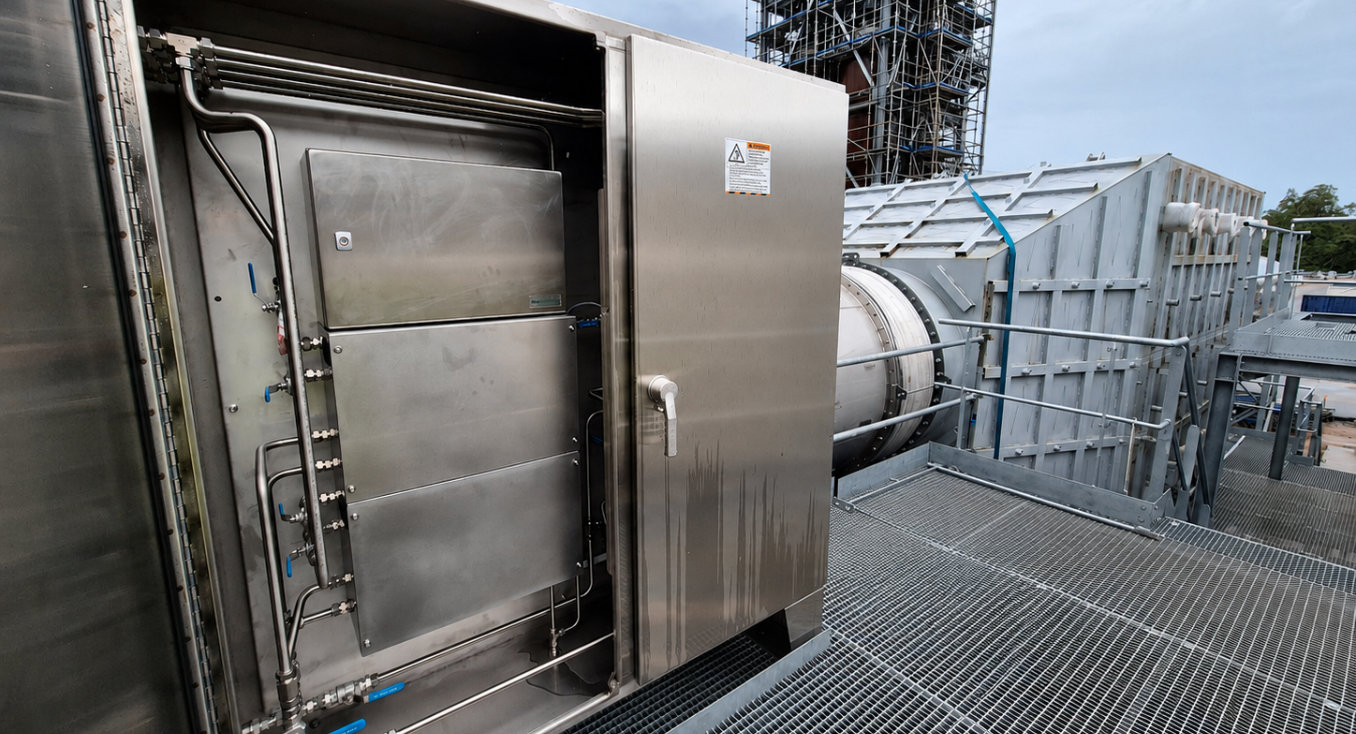
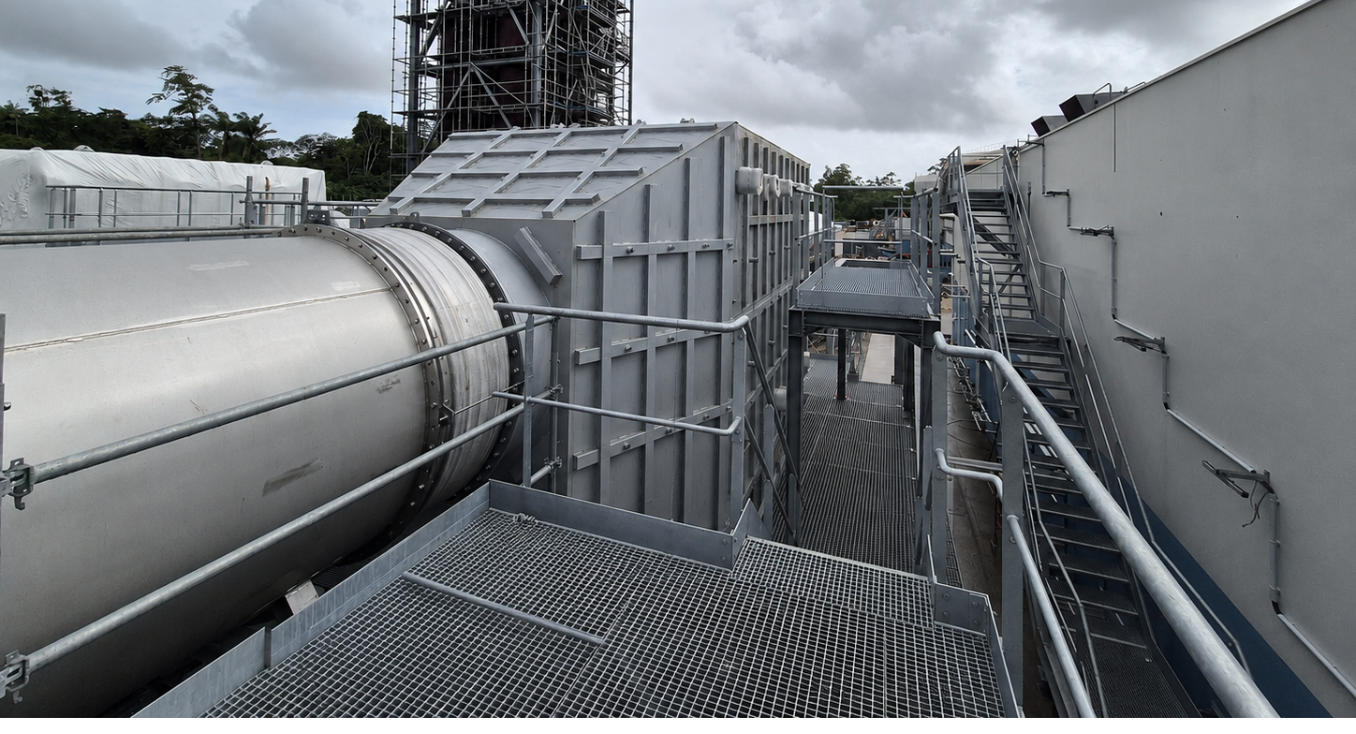
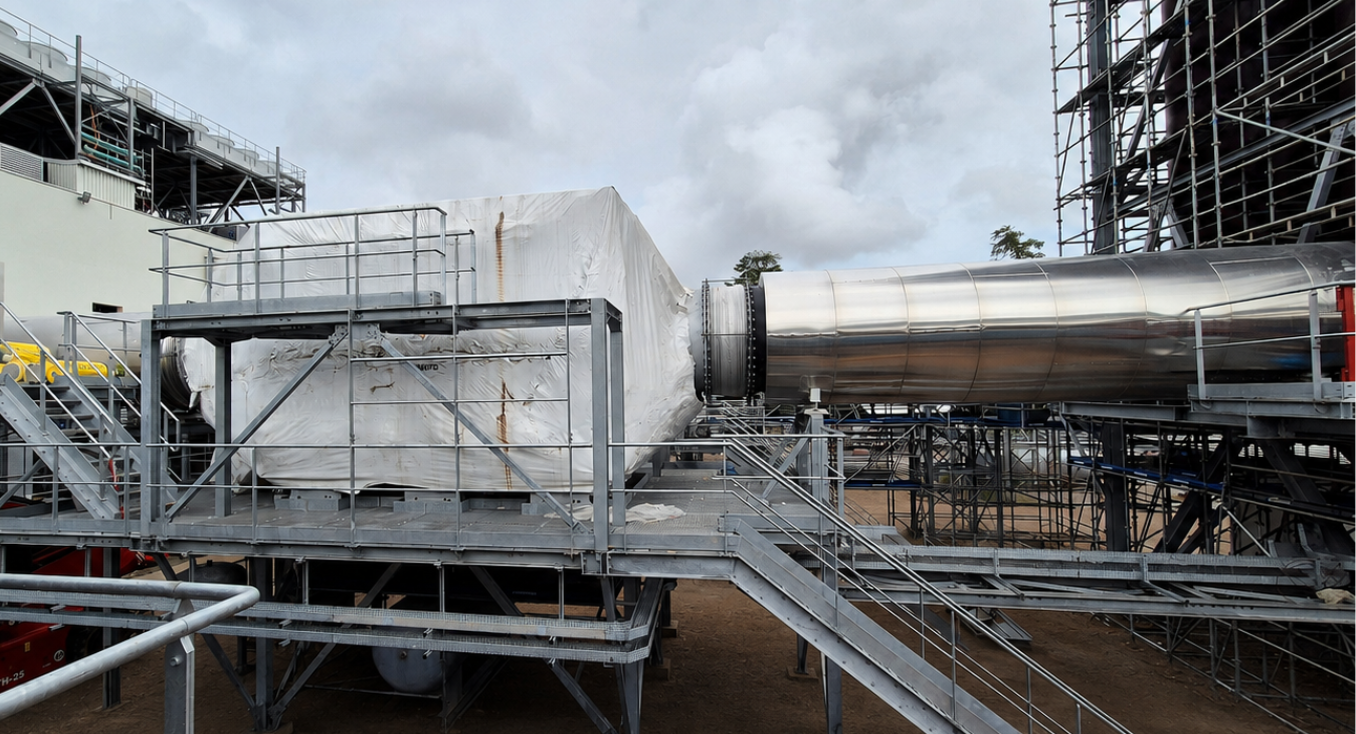
Hug Engineering was selected as a trusted provider of exhaust after-treatment systems, with a proven track record in EDF PEI power plants in French overseas territories.
Hug supported the project across the full lifecycle process - from fundamental R&D, documentation, and quality audits, all the way to the end-of-life handling of catalytic ceramic honeycombs.
Life is Good
Hug Engineering successfully fulfilled the standards and audits of the project consortium and delivered exhaust after-treatment systems for all seven engines at the Larivot Powerplant.
The project covers 8 hectares and delivers a total power output of 120 MW - the equivalent of approximately 800 hectares of solar panels - using 100% renewable biofuels and Hug Engineering’s latest piloting technology.
Today, EDF operates across Europe, the Americas, Asia, and Africa, supplying millions of customers and playing a central role in the global energy transition.