Compliance that protects earning power
Workboat
Display Mode
Text on the Right
Built for workboats that cannot afford to stop
Whether the requirement is IMO Tier III, EU Stage V, EPA Tier 4, CARB-related compliance or a ULEV target, Hug Engineering helps workboat operators turn emission compliance into a practical operational advantage.
Our Customers
Every workboat project depends on the right coordination between vessel owners, shipyards, naval architects and engine partners. Hug Engineering supports each of them with certified, compact and reliable aftertreatment solutions built around the vessel, the engine and the operating profile.
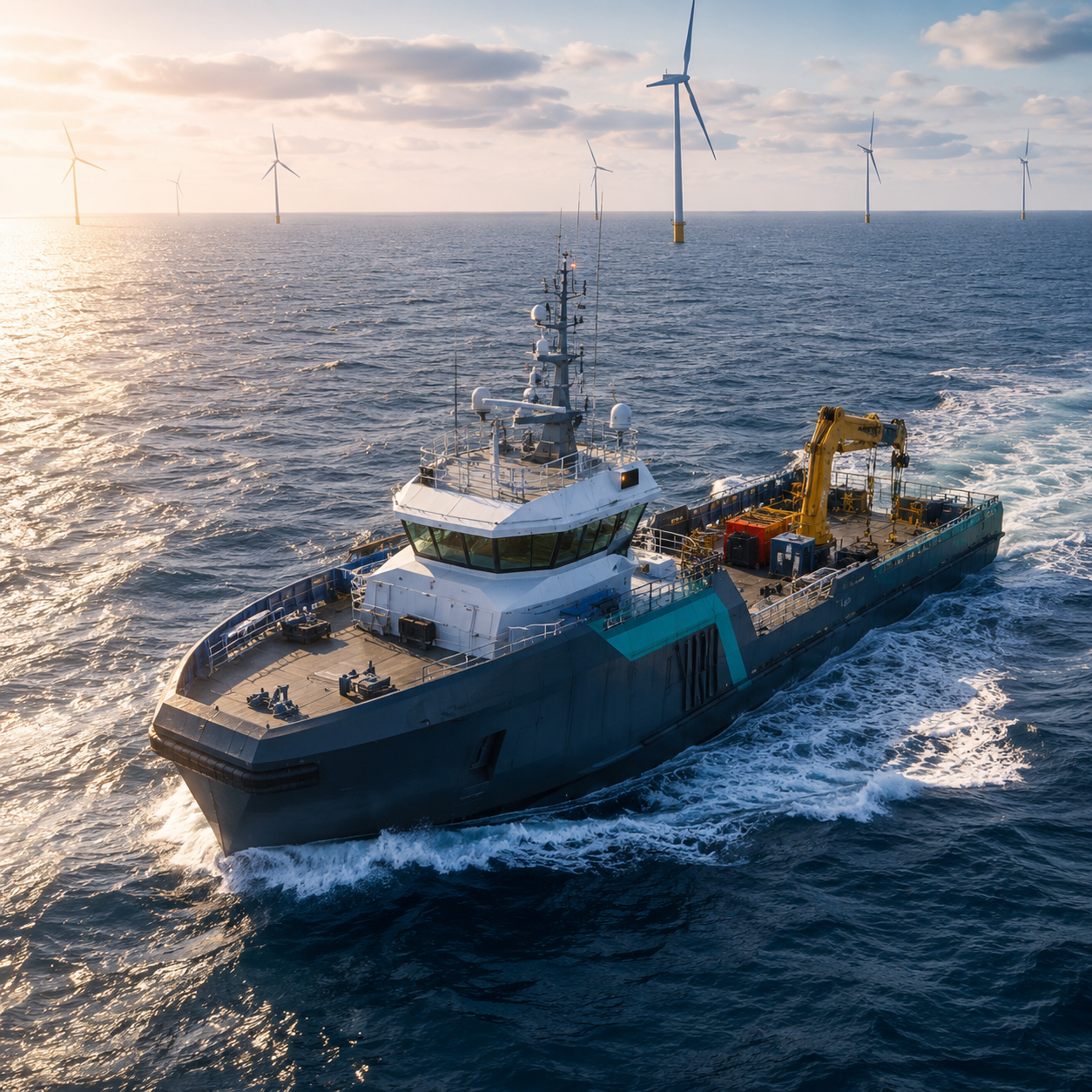
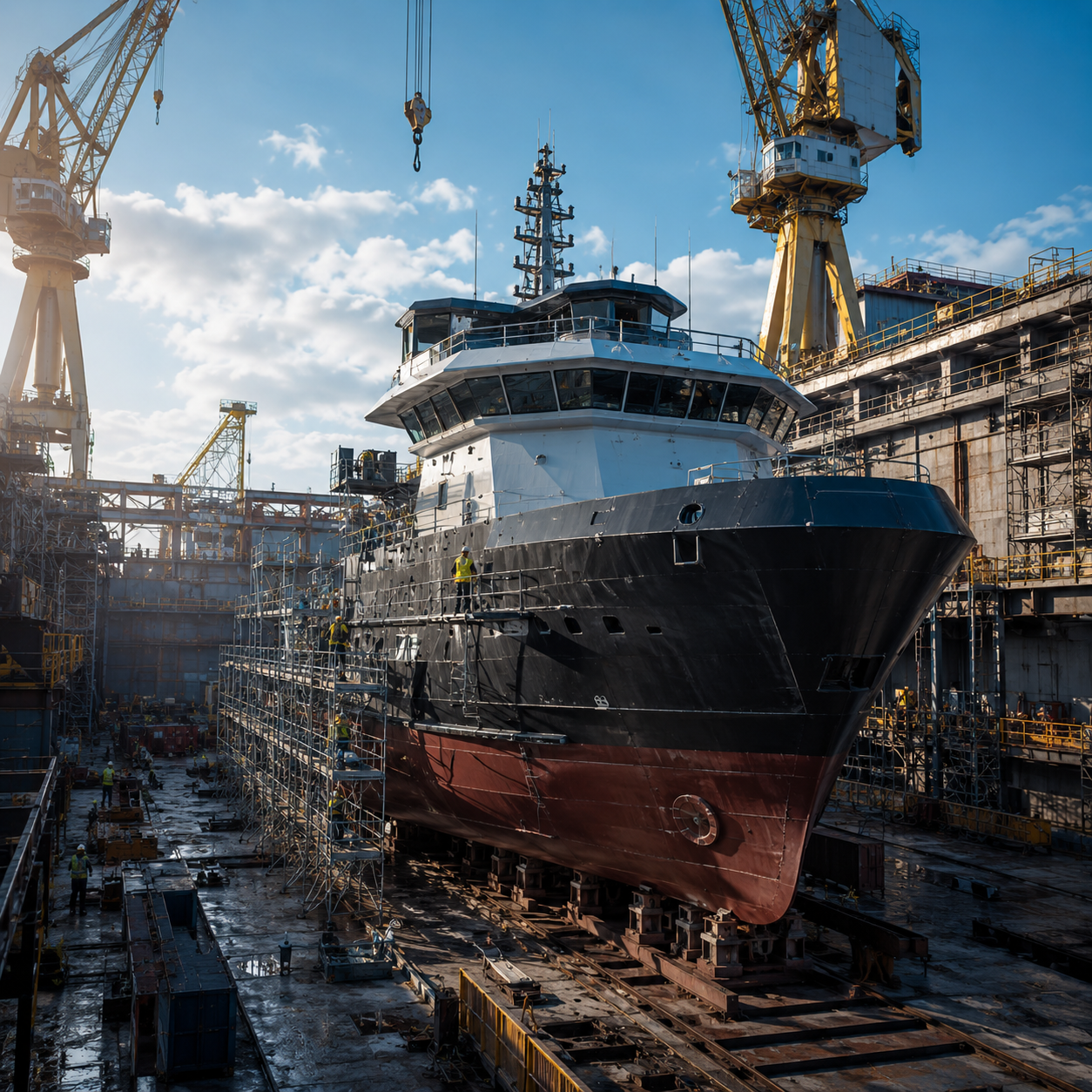
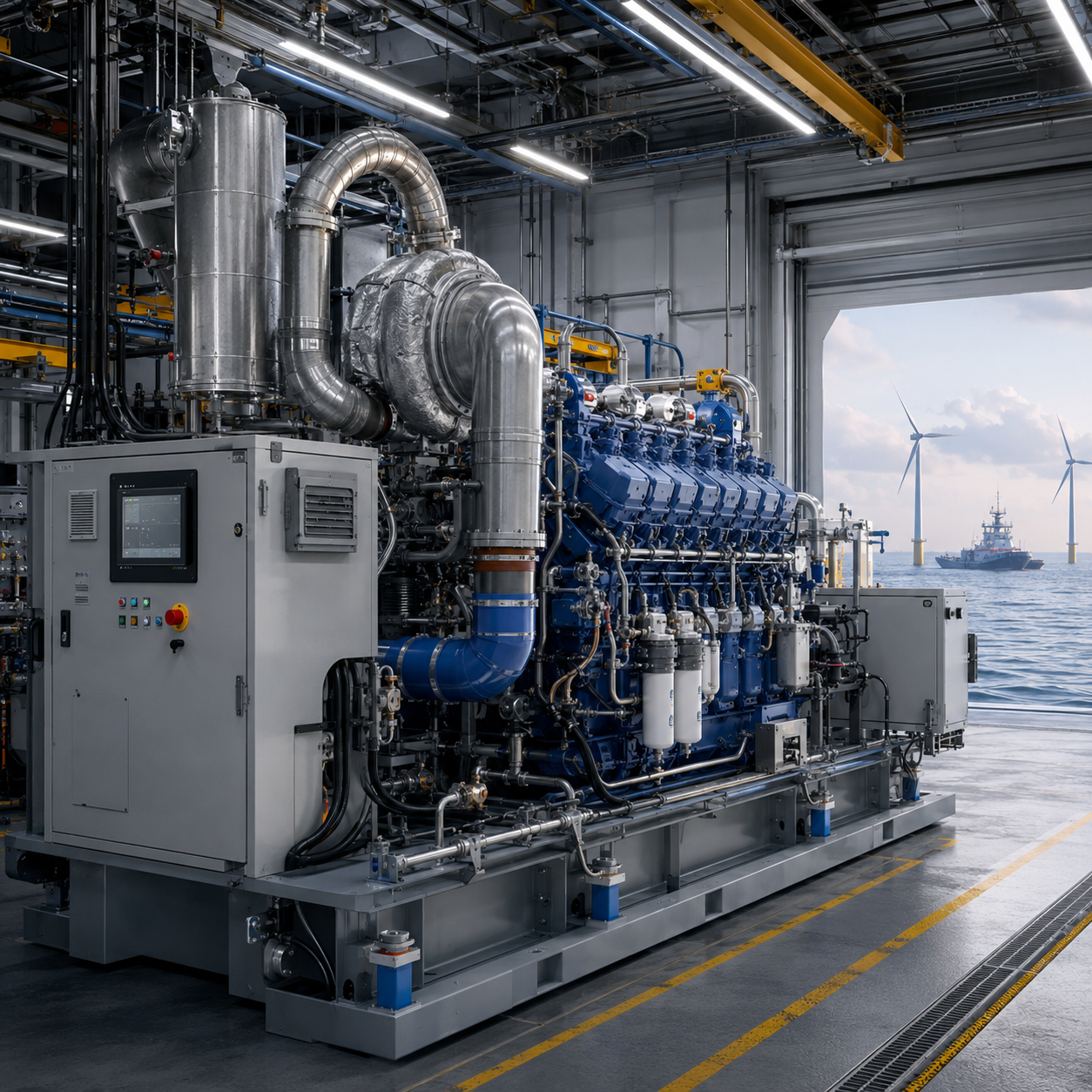
Proven across workboat power systems
2720
total power covered (MW)
1686
engines equipped
9
engine brands integrated
8
classification societies covered
Related News
Most Frequent Questions
SCR reduces NOx in the exhaust gas by injecting urea and passing the exhaust through a catalyst. It is the key technology used for IMO III compliance.
SCR + DPF makes sense when the project requires both NOx and particulate matter reduction. This is common in Stage V, ULEV, CARB-related or tender-driven projects where soot reduction is part of the requirement.
Higher backpressure increases fuel consumption, and over long operating hours, those additional costs quickly add up. A low-backpressure system can therefore deliver significant fuel savings over time.
The amount of urea needed for NOx reduction is mainly determined by chemistry. However, switchable SCR operation can reduce unnecessary urea use outside areas where the system is required to operate.
Air-assisted dosing helps keep the injector clear when urea is not being sprayed. This is especially valuable for switchable systems, because it reduces the risk of blockage caused by crystallized urea.
The key inputs are engine power, exhaust temperature, exhaust mass flow, baseline emissions, backpressure limits, available space and the target regulation or emission limit.
The engine parameters must allow the SCR reaction to work. Exhaust temperatures that are too low can prevent proper urea evaporation and catalyst performance. Temperatures that are too high can age the catalyst quickly. Backpressure limits must also be respected.
The main driver is compliance. If a vessel, engine platform or operating area requires IMO III, Stage V, EPA Tier 4 or another emission standard, an aftertreatment system may be needed to reach the required values.
IMO III mainly focuses on NOx reduction for vessels operating in NOx Emission Control Areas. Stage V applies to inland waterway and port-related applications and typically requires both NOx and particulate matter reduction, which usually means SCR + DPF.
Yes. Most Workboat projects are SCR-based because IMO III compliance is mainly about NOx reduction. DPF is added when particulate matter reduction is required, for example in Stage V, ULEV or incentive-driven projects.
DPF is currently less common than SCR in Workboat applications. It becomes relevant when the project goes beyond IMO III, when Stage V applies, or when a tender or incentive program rewards additional soot and particulate reduction.
If the vessel is required to operate in IMO III mode, the SCR system must be switched on when entering the ECA. The vessel also needs to keep records showing when the system was activated and that it operated correctly.
A switchable SCR system allows the vessel to operate in compliance mode where required and switch off outside the ECA where allowed. This reduces unnecessary urea consumption and can also reduce the size needed for urea storage.
Hug Engineering can supply the aftertreatment equipment needed to reach the required emission values, but EPA Tier 4 certification is handled by the engine manufacturer. Our role is to support the technical solution behind the certified engine package.
CARB-related requirements can be more complex because they may require very high emission reduction and often involve both SCR and DPF. This creates a demanding technical package with strong requirements for integration, performance and reliability.
Hug Engineering supports offshore vessels, tugboats, dredgers, wind turbine installation vessels, ferries, inland vessels, port vessels, merchant marine applications or in fact any engine above 300kW.
Most Workboat projects are newbuilds because the vessel is designed from the beginning around the required regulation. Retrofits happen, but usually only when there is a strong commercial driver, such as tender requirements, incentives or a change in operating area.
The main challenge is space. Older vessels were often not designed with SCR or DPF systems in mind, so the solution must be adapted to the space available without compromising service access, backpressure or safety.
Hug Engineering can adapt the shape, orientation and arrangement of the reactor, mixing pipe and silencer. In some cases, integrating the silencer into the SCR concept can reduce total system length and make installation easier.
Every workboat still needs noise and heat control. If silencing can be integrated into the emission-control layout, it can save space, reduce components and simplify the exhaust system.
Preparation. A smooth project starts with accurate engine data, clear emission targets, space measurements, service-access planning, urea storage planning and electrical interface clarification before production and installation begin.
Workboats earn money when they are operating. If installation work is planned during dry dock, the window may be only a few weeks. Getting the system right the first time helps avoid delays, extra cost and vessel downtime.
Workboats run many hours, so operating cost matters. A cheaper system with higher backpressure, more downtime or shorter maintenance intervals can become more expensive over the lifetime of the vessel.
Reliability means the system performs over long running hours, supports compliance, avoids unnecessary downtime and can be maintained within planned service or dry-dock intervals.
Hug Engineering does not apply one universal maintenance interval. The interval is defined together with the customer and depends on the vessel, engine, operating profile and system layout. Larger systems can allow significantly longer intervals - up to around 20,000 operating hours in some cases - and are typically designed to align with the engine’s service schedule.
Documentation depends on the regulation and certification route. In certified projects, classification societies or certification bodies may require technical documentation, proof of performance and test results. In other projects, operating data may be used to demonstrate compliance.
Yes. Hug Engineering supports Workboat projects with international service experience and a global support network, helping customers maintain system performance after commissioning.
It is likely that soot and particulate emissions will receive more attention in the future. If this becomes more regulated or more strongly rewarded in tenders, SCR + DPF solutions may become more common.
Yes. In some markets and project types, especially offshore wind, dredging and infrastructure work, cleaner vessels may receive better environmental scores or stronger tender positions.
Yes. Hug Engineering has experience with alternative-fuel applications, including methanol-related projects, and continues to work with engine builders as future marine fuels develop.
Hug Engineering combines emission-control technology, marine application know-how, certification experience, compact integration, low-backpressure engineering and service support. The result is not just a component, but a system designed for the vessel’s real operating life.
Download documentation
| Attachment | Size |
|---|---|
| SCR one-pager | 46.57 KB |
Download documentation
| Attachment | Size |
|---|---|
| The Soulution for EU Stage V - one-pager | 48.45 KB |
Download documentation
| Attachment | Size |
|---|---|
| Workboat Carousel | 16.13 MB |
Download documentation
| Attachment | Size |
|---|---|
| Engine Reference List | 1.35 MB |