Emission compliance without compromising uptime
Data Center & Mission Critical
Display Mode
Text on the Right
When Backup Power Starts, Compliance Must Too
In data centers, reliability is about more than uptime. Backup power must meet strict emissions requirements without compromising performance.
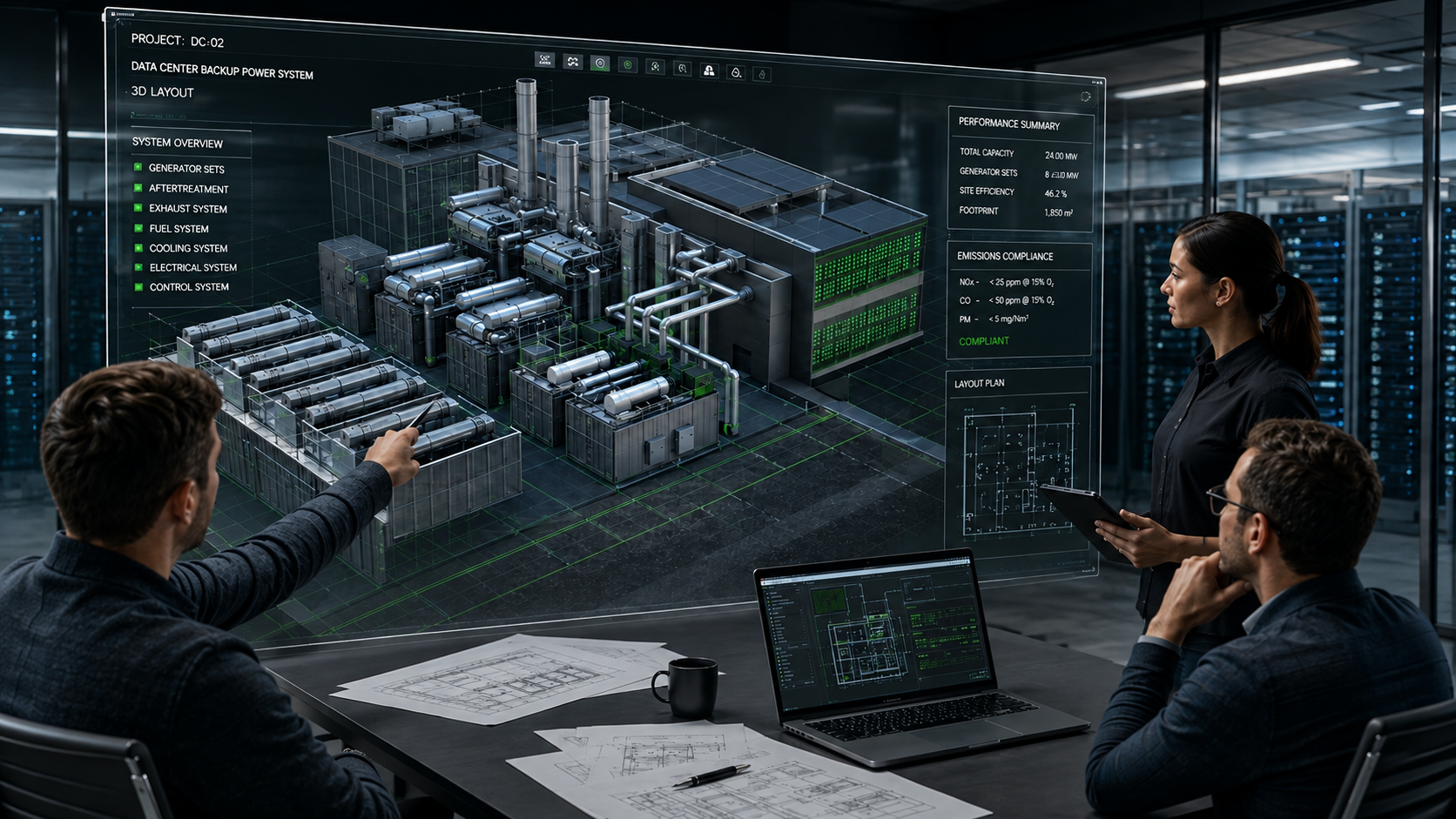
Hug Engineering delivers fully integrated, custom-engineered emission control solutions designed around your infrastructure - from concept to integration.
Video file
Our Customers
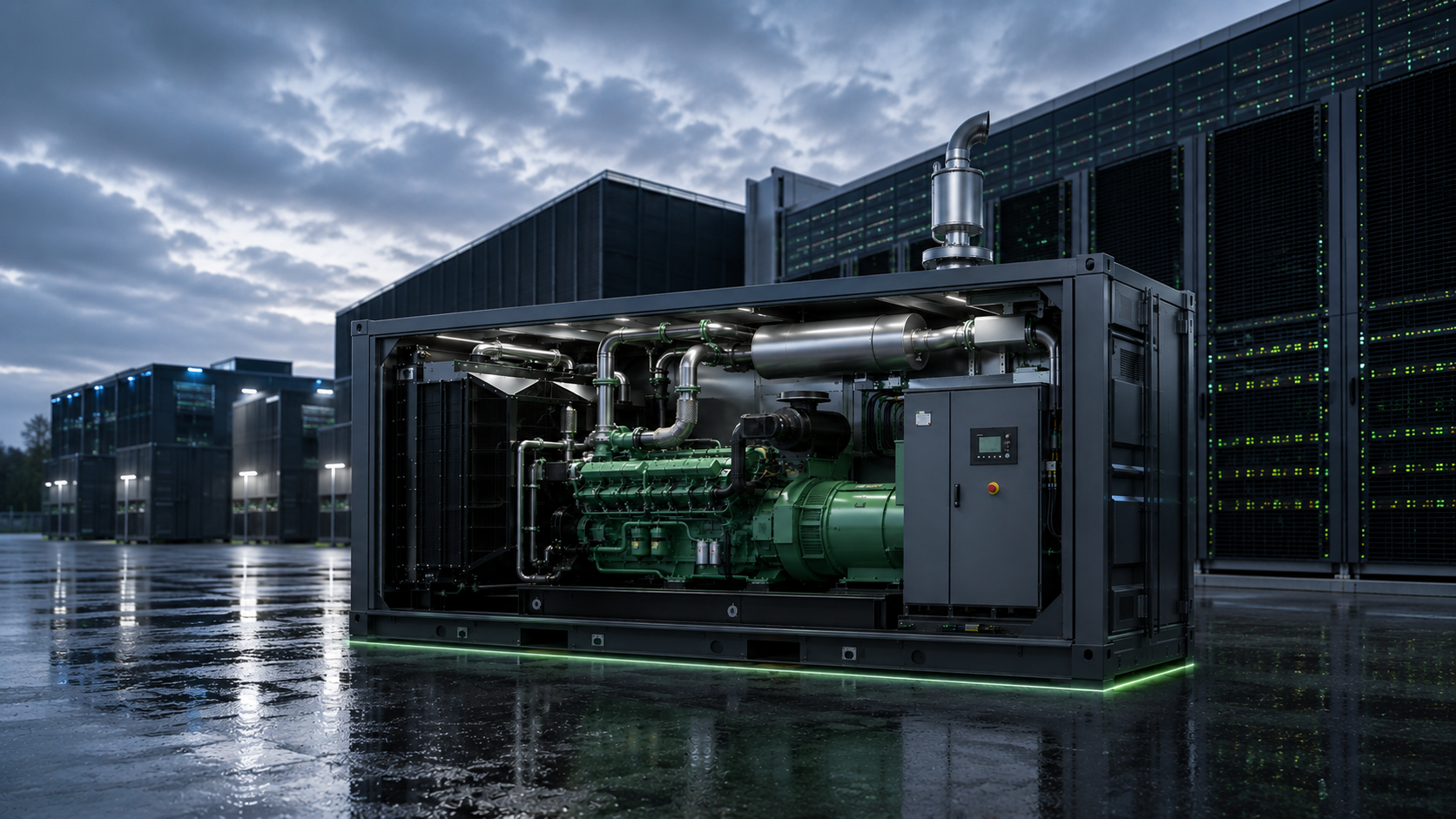
Mission-critical power involves many moving parts. Hug Engineering helps data center teams meet emission requirements with systems designed for reliable backup power, smooth integration and long-term compliance.
Proven where backup power becomes business-critical
414
mission-critical engines equipped
986
(MW) mission-critical power covered
99
NOx reduction up to (%)

Related News
Most Frequent Questions
Aftertreatment is typically required when the engine alone cannot meet the applicable emission limits for the site. These limits can be defined by national regulations, regional frameworks, local permits or project-specific authority requirements.
Data center emission requirements can differ strongly by location. In Europe, even nearby sites can face different limits depending on local authorities, permit timing, population density or environmental sensitivity. This makes early clarification essential.
Yes. Backup generators may run only during tests most of the time, but they are installed for emergency operation. In a major blackout, many generators can start at the same time and run for hours, so emissions control matters beyond routine testing.
Generator load can vary from low load to full load, and not every site can test each generator at full power. Some projects use load banks, while others may have different possibilities depending on the country, grid connection and permit conditions.
SCR, or selective catalytic reduction, reduces nitrogen oxides, known as NOx, in the exhaust gas. It is the main technology used when strict NOx limits apply to diesel backup generators.
A DPF, or diesel particulate filter, is used when particulate matter limits apply or when the site’s operating concept requires particulate control. In many mission-critical projects, SCR is the main requirement, while DPF is added where regulations or project conditions demand it.
Yes. Hug Engineering can provide SCR-only systems, SCR + DPF combinations and project-specific configurations depending on the emission target, engine type, available space, operating profile and local requirements.
Hug Engineering systems can achieve up to 99% NOx reduction, depending on the engine, system configuration, operating conditions and emission target. The final performance target is defined project by project.
Ammonia slip is managed through controlled dosing and system calibration. The required ammonia slip level depends on the applicable local limits, and the system is designed to meet the project-specific compliance target.
Excessive backpressure can affect the engine’s ability to deliver its rated power. In mission-critical applications, the priority is not fuel saving but making sure the generator can start, take load and deliver the required power when needed.
The most important inputs are the engine data sheet, baseline emissions, target emission limits, available space and installation concept. With this information, Hug can define the first system approach and identify integration risks early.
Yes. New builds usually allow better planning and cleaner integration, while retrofits require more flexibility because space, access and operating-site restrictions are already fixed. Hug Engineering can support both scenarios with project-specific engineering.
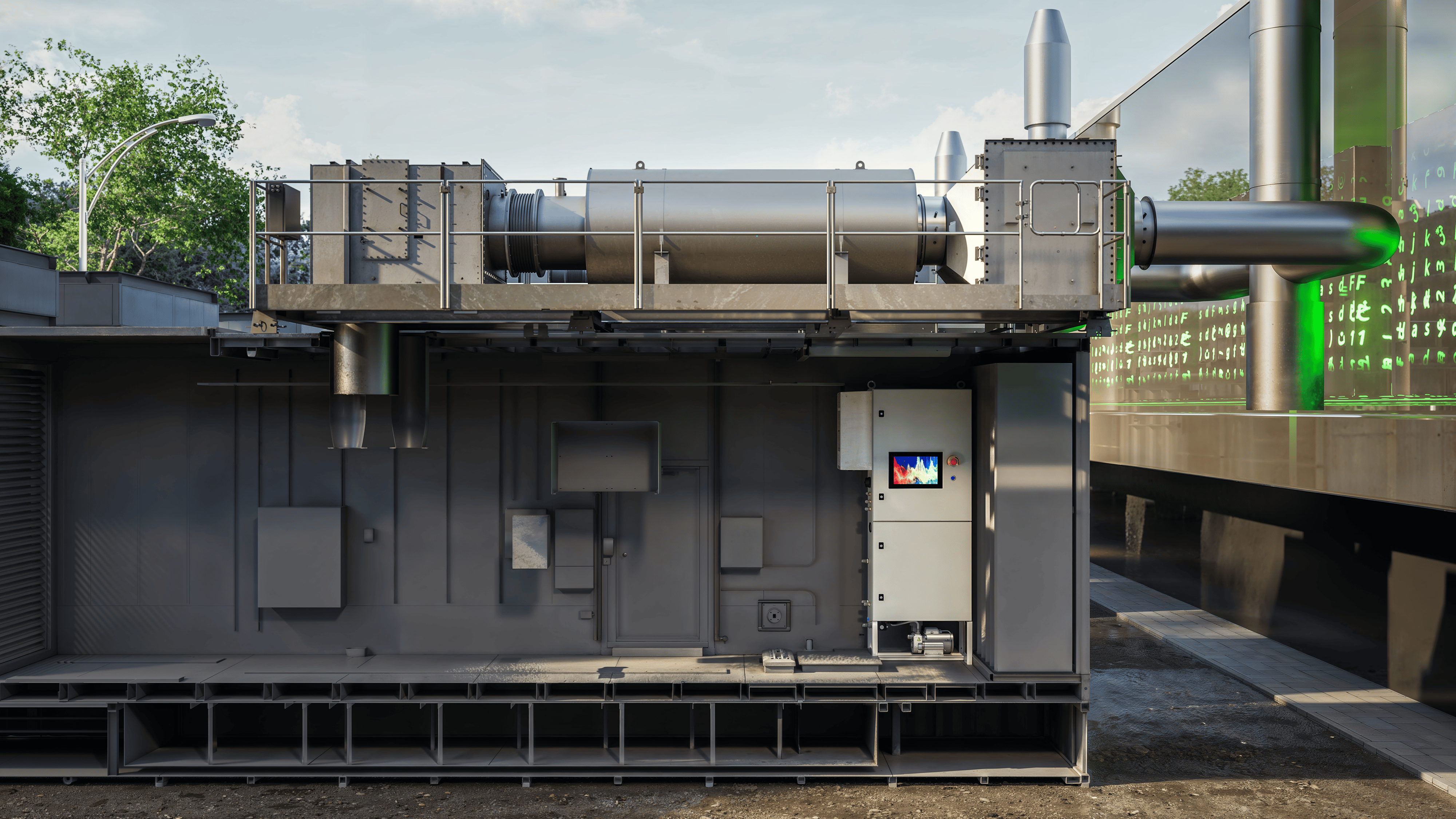
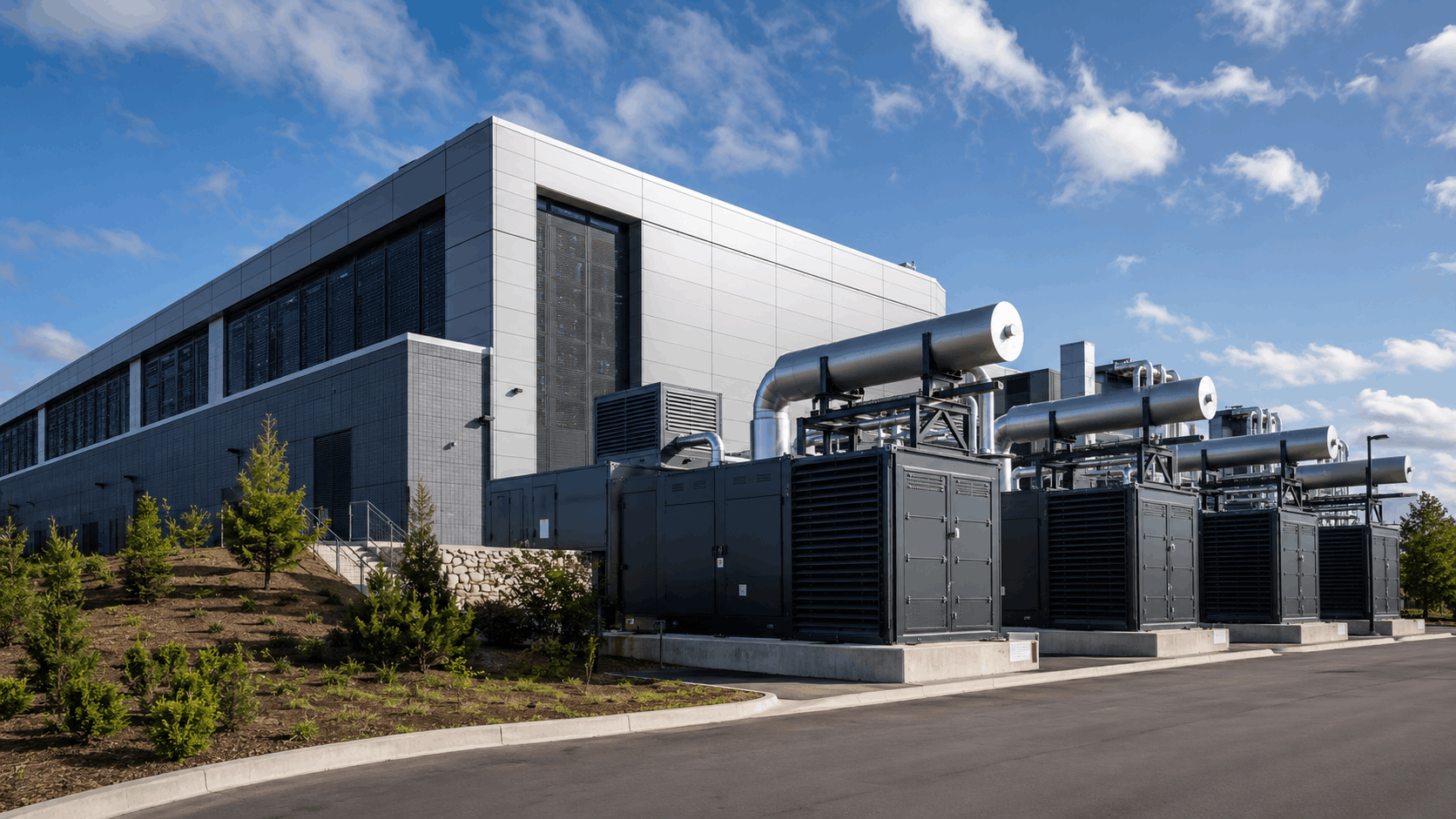
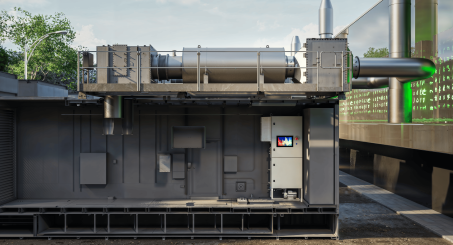
Yes. Hug Engineering systems can be configured for different installation concepts, including indoor engine rooms, outdoor installations and container-top layouts. The final design depends on space, service access, weather conditions, structural requirements and exhaust routing.
Some customers want loose components for their own integration, while others prefer a more complete solution. Hug Engineering can adapt the supply scope depending on the project, from selected components to more integrated system packages.
Typical issues include insufficient service clearance, poor sensor accessibility, difficult injector access and missing access platforms for systems installed at height. These details should be considered early because they affect maintenance and long-term reliability.
A system that is difficult to access is harder to inspect, maintain and troubleshoot. In data centers, serviceability must be considered from the beginning because generator availability and controlled maintenance windows are critical.
Hug Engineering supports commissioning, system checks, maintenance planning and service documentation. This helps customers keep the system operational, traceable and ready for audits or compliance reviews.
Data center environments often have strict cybersecurity requirements. Hug Engineering can support local control and monitoring concepts without making remote connectivity a mandatory part of the system concept.
Long-term compliance depends on proper operation, regular checks, maintenance and documentation. Hug Engineering supports customers with service know-how and reporting that help demonstrate that the system remains functional and compliant.
Hug Engineering systems are capable to work with different fuels, including biofuels as HVO.
Yes, retrofits are expected to become more relevant as older sites expand power capacity or face stricter emission expectations. Retrofitting requires careful planning because systems must often be added to facilities that were not originally designed for aftertreatment.
The best approach is to involve emission-control experts early. Understanding engine data, load profile, local limits, available space and future expansion plans makes it easier to design a system that is compliant, serviceable and ready for tomorrow’s requirements.
Hug Engineering combines emission-control technology, application know-how, flexible integration and service support. The goal is not only to supply equipment, but to help customers achieve reliable, documented compliance in a mission-critical environment.