Compact and flexible solutions for seamless yacht integration

Clone of Clone of Binnenvaart en Haven
Ontdek onze best-in-class robuuste gasreiniging oplossingen voor een kosteneffectieve en probleemloze werking van nieuwe of oudere, omgebouwde schepen. Vervoer passagiers en goederen veilig en schoon met Hug Engineering.
Our Customers
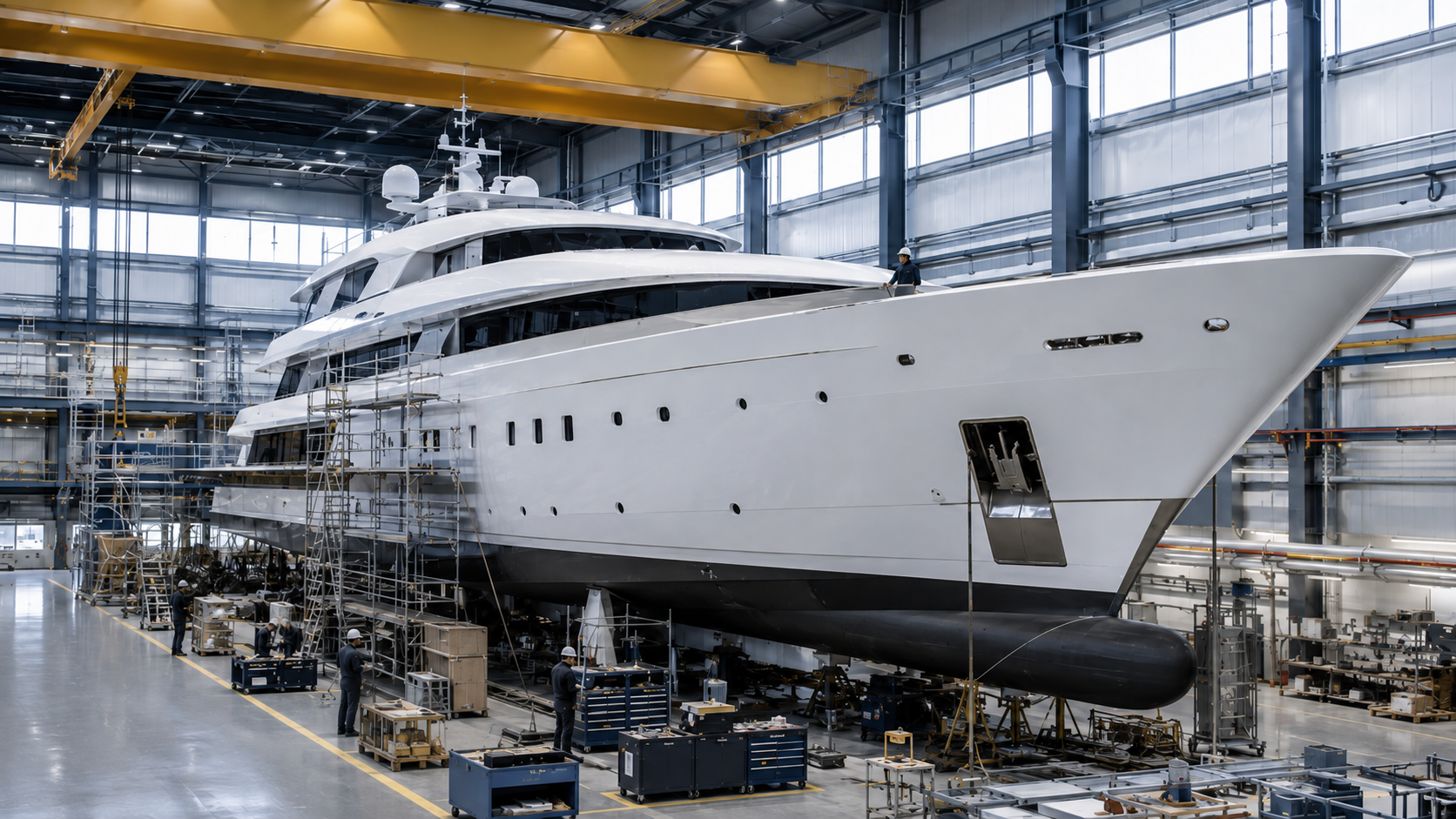
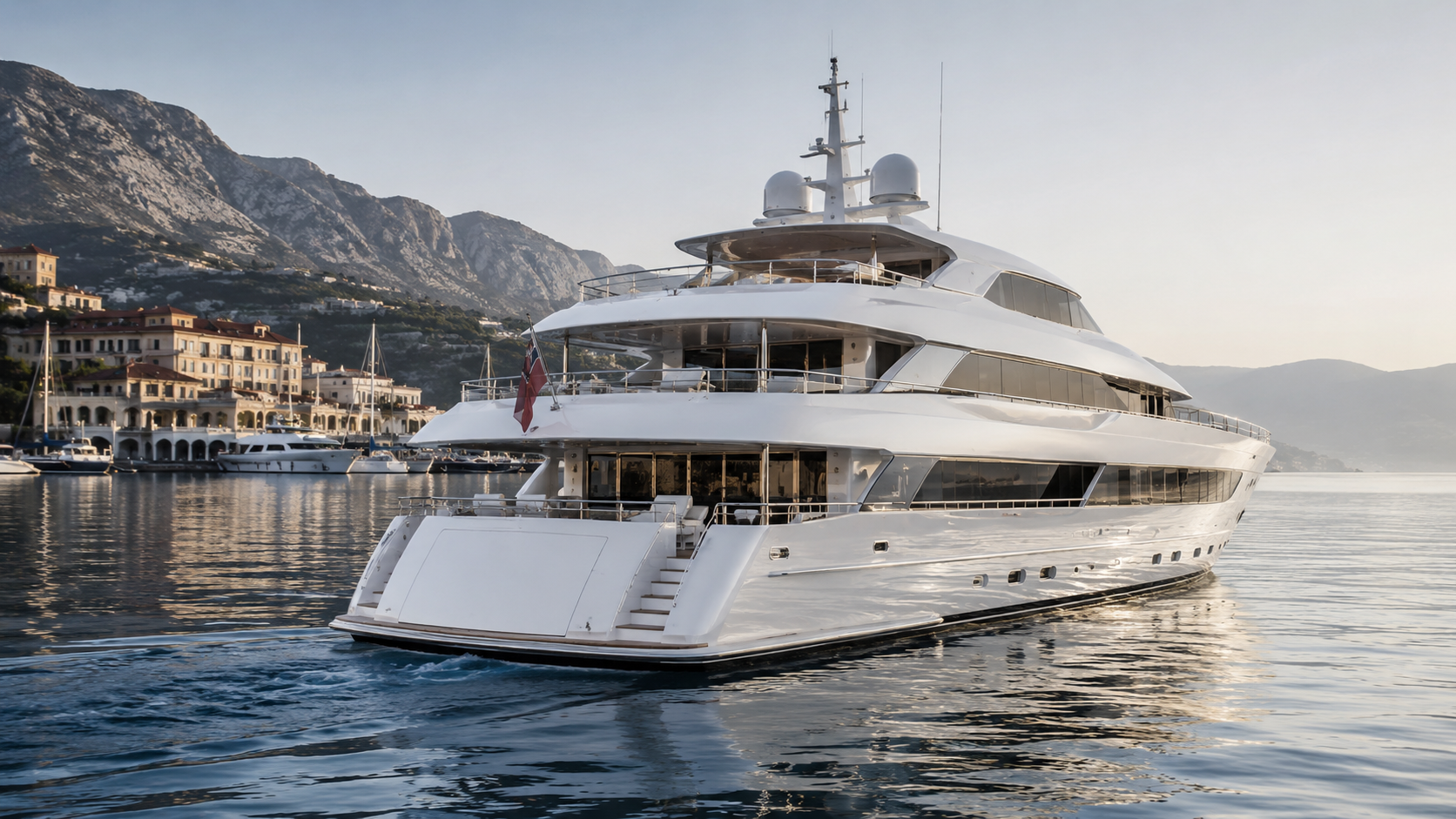
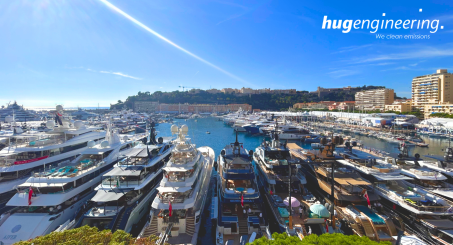
On a yacht, emission control is part of the overall experience. Hug Engineering supports shipyards, owners, representatives and crew with premium aftertreatment solutions designed around compliance, comfort, seamless integration and long-term confidence on board.
5 years of IMO Tier III experience for yachts below 500 GT
320
systems delivered
186
yachts equipped
27
shipyards supported
9
service locations across Europe

Related News
Most Frequent Questions
If the yacht must comply with IMO Tier III, SCR is typically the key technology used to reduce NOx emissions. The exact system depends on the engine, vessel layout, operating area and project requirements.
No. IMO Tier III is often the starting point, but yacht customers also care about comfort, visible soot, noise, reliability and serviceability. A good system should support the full yacht experience.
An Emission Control Area, or ECA, is a sea area with stricter emission requirements. For yachts operating in these areas, the aftertreatment system must be designed around the applicable standard and the vessel’s operating profile.
Usually, the main question is whether the system allows the vessel to meet the applicable requirement. The system is engineered around the regulation, engine data and project-specific technical limits.
SCR reduces NOx emissions in the exhaust gas. It is the main technology used when a yacht needs to meet IMO Tier III requirements.
A DPF reduces diesel particulate matter and visible soot. On yachts, this is especially important because soot can affect the cleanliness of decks, transoms and surrounding surfaces.
Yes. With DPF technology, Hug Engineering can significantly reduce visible soot and black carbon, helping protect the yacht’s appearance and the comfort of guests and crew.
Yes. Hug Engineering can integrate SCR, DPF and silencing functions into one compact system concept. This helps address compliance, soot reduction and noise comfort in a more space-efficient way.
Comfort is central to yacht design. By integrating silencing into the aftertreatment concept, Hug Engineering can help reduce exhaust noise and support a quieter onboard environment.
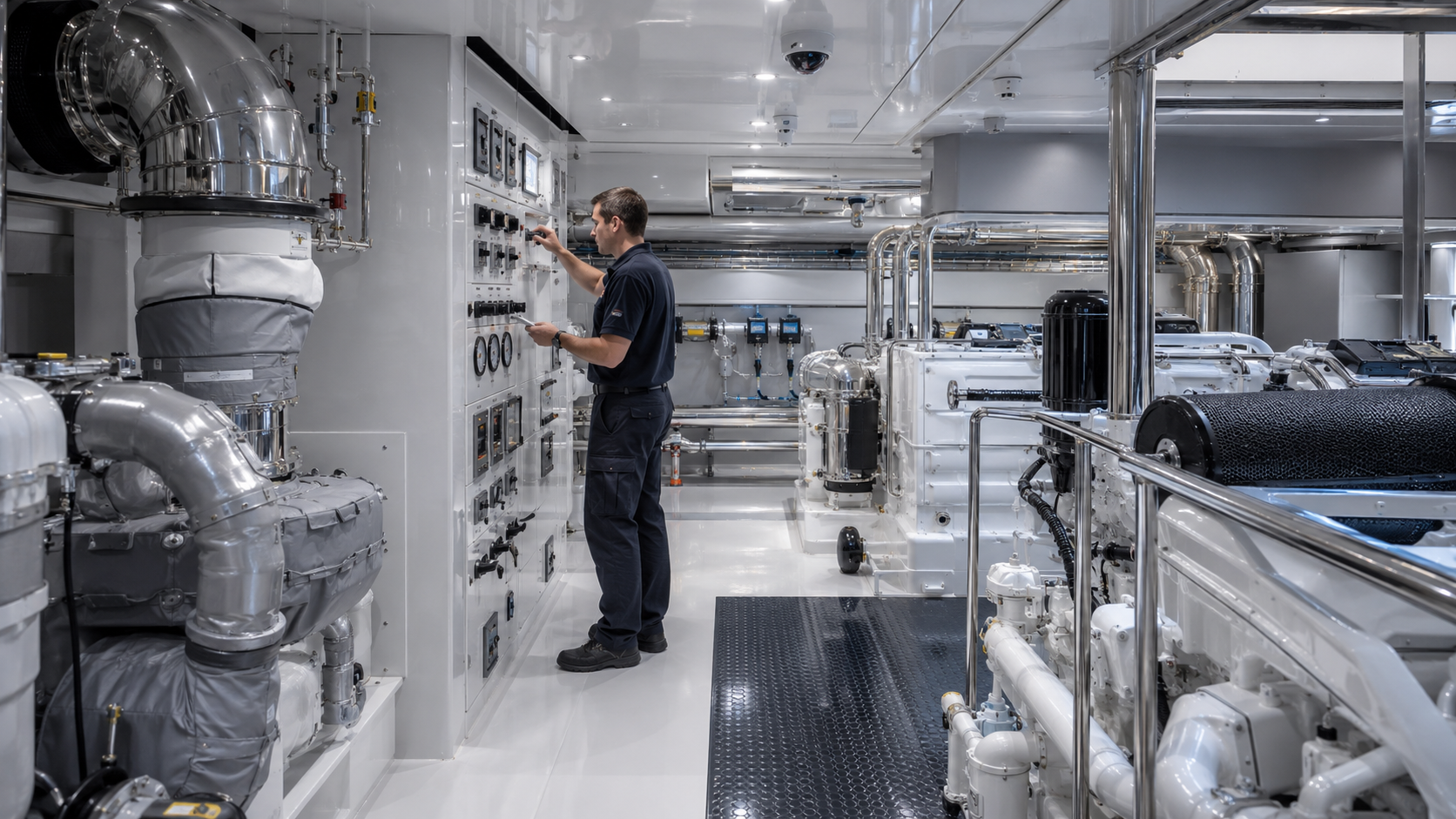
Yes, but it must be engineered carefully. Yacht engine rooms have strict space, access and layout constraints, so the system needs to be designed around the vessel.
The main challenges are space, exhaust routing, heat, backpressure limits, service access, noise expectations and the overall quality standards of the yacht project.
Hug Engineering typically needs engine data, exhaust temperature, exhaust mass flow, backpressure limits, target regulation, available space, exhaust layout and any requirements for soot reduction or silencing.
Yes. Hug Engineering supports yacht projects from 24 meters to mega yacht scale, with standardized concepts for smaller builds and tailor-made solutions for highly demanding projects.
A well-designed system should support compliance without becoming an obstacle to yacht operation. Hug Engineering focuses on reliability, practical integration and serviceability so the system stays as transparent as possible for the crew.
They often worry about added complexity, system alarms, maintenance access and the risk that an emission system could interfere with vessel operation. This is why reliability and expert support are so important.
If a system is difficult to access, maintenance becomes slower, more expensive and more disruptive. Hug Engineering designs systems with service access and long-term maintainability in mind.
Not necessarily. A cheaper system may look attractive at the beginning, but long-term value depends on reliability, serviceability, support and how easily the system can be maintained during the yacht’s operating life.
Hug Engineering supports customers with commissioning, technical guidance, maintenance know-how and troubleshooting support. This helps captains and chief engineers keep the system reliable and manageable.
Yes. Hug Engineering can adapt its system concepts across different engine platforms, giving shipyards and project teams more freedom when engine choice, availability or project requirements change.
If a shipyard is tied to one engine-specific aftertreatment package, changing the engine can create extra complexity. A flexible system concept gives the project more room to adapt.
Yes. For demanding yacht and mega yacht projects, Hug Engineering can tailor the aftertreatment system around vessel layout, technical limits, comfort expectations and project-specific requirements.
Yes. For smaller and serial yacht applications, Hug Engineering can provide more standardized system concepts designed to fit typical engine-room constraints while still supporting compliance, comfort and reliability.