Protect engine performance while meeting strict emissions targets

Clone of Clone of Clone of Navigazione in acque interne e nei Porti
Scopri le nostre soluzioni di post-trattamento professionali per il funzionamento in economia e senza problemi per navi nuove o navi più vecchie con installazioni retrofit. Trasporta passeggeri e merci ovunque in modo sicuro e pulito con Hug Engineering.
Our Customers
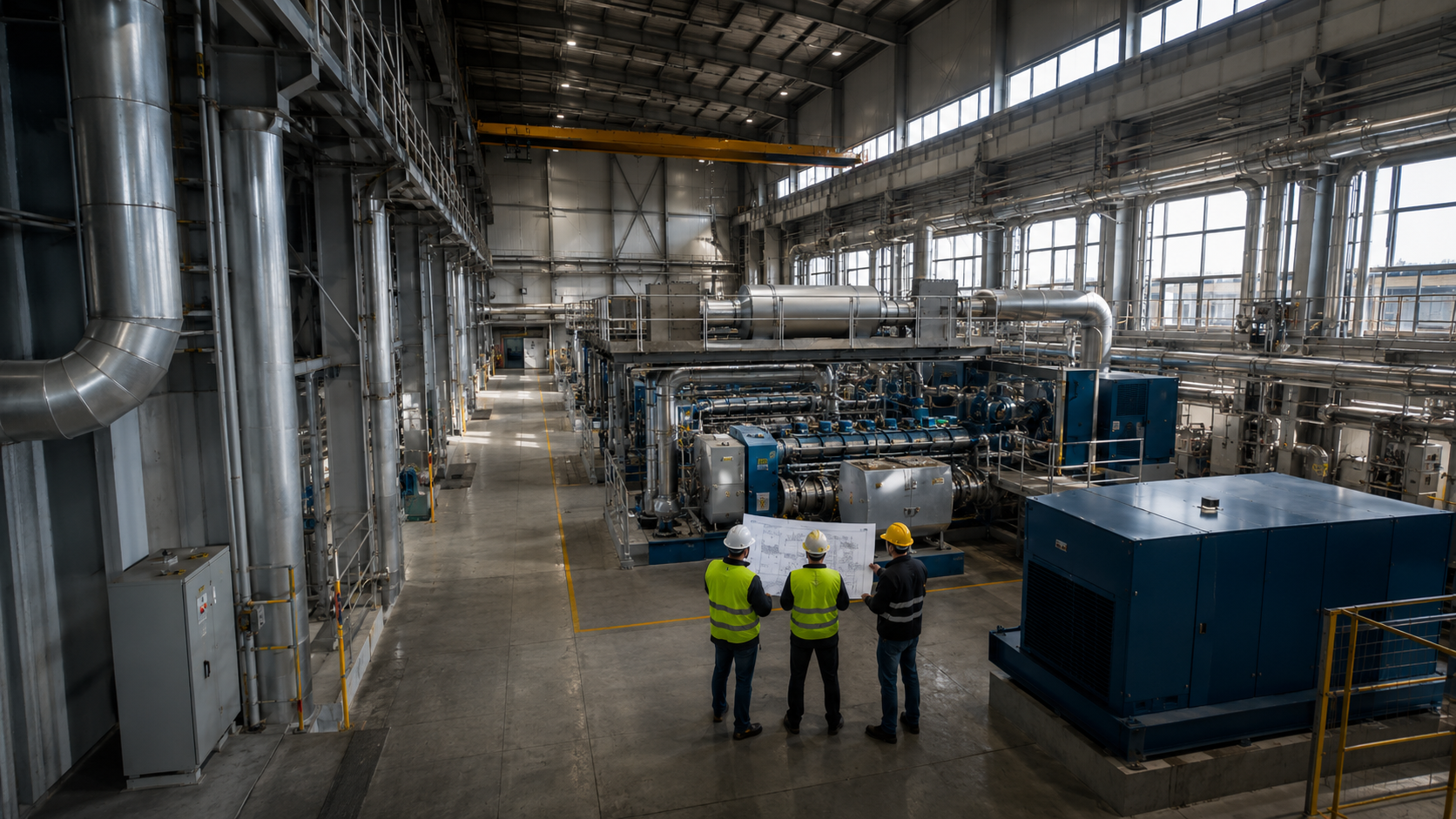
Power Generation projects depend on more than a compliant catalyst. Engine OEMs, packagers, system integrators and EPC teams need an aftertreatment partner that understands engine performance, plant interfaces, permitting requirements and long-term operation. Hug Engineering supports each project stage with integrated systems built around the engine, duty cycle and site conditions.
5 years of IMO Tier III experience for yachts below 500 GT
320
systems delivered
186
yachts equipped
27
shipyards supported
9
service locations across Europe


Related News

Most Frequent Questions
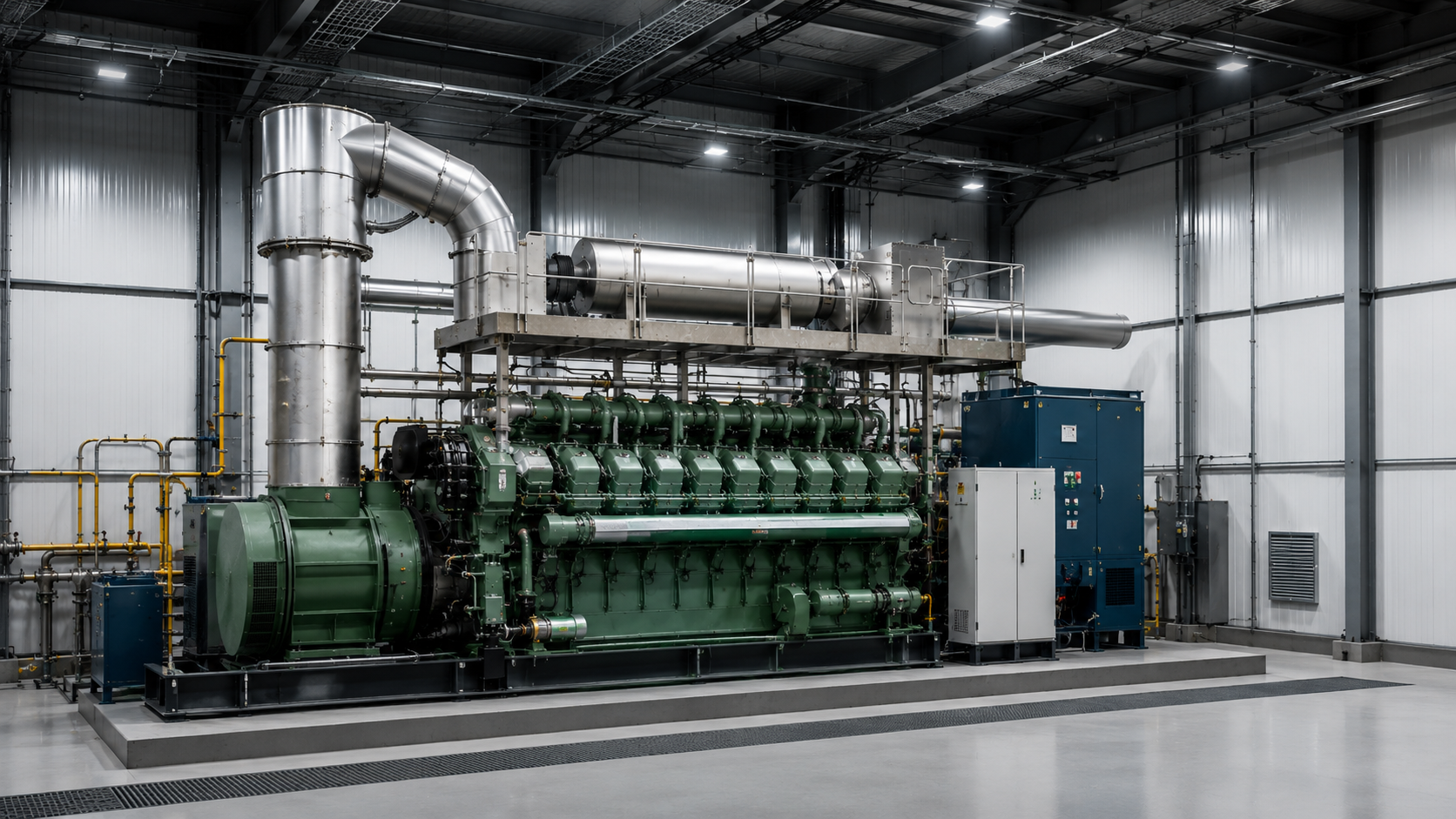
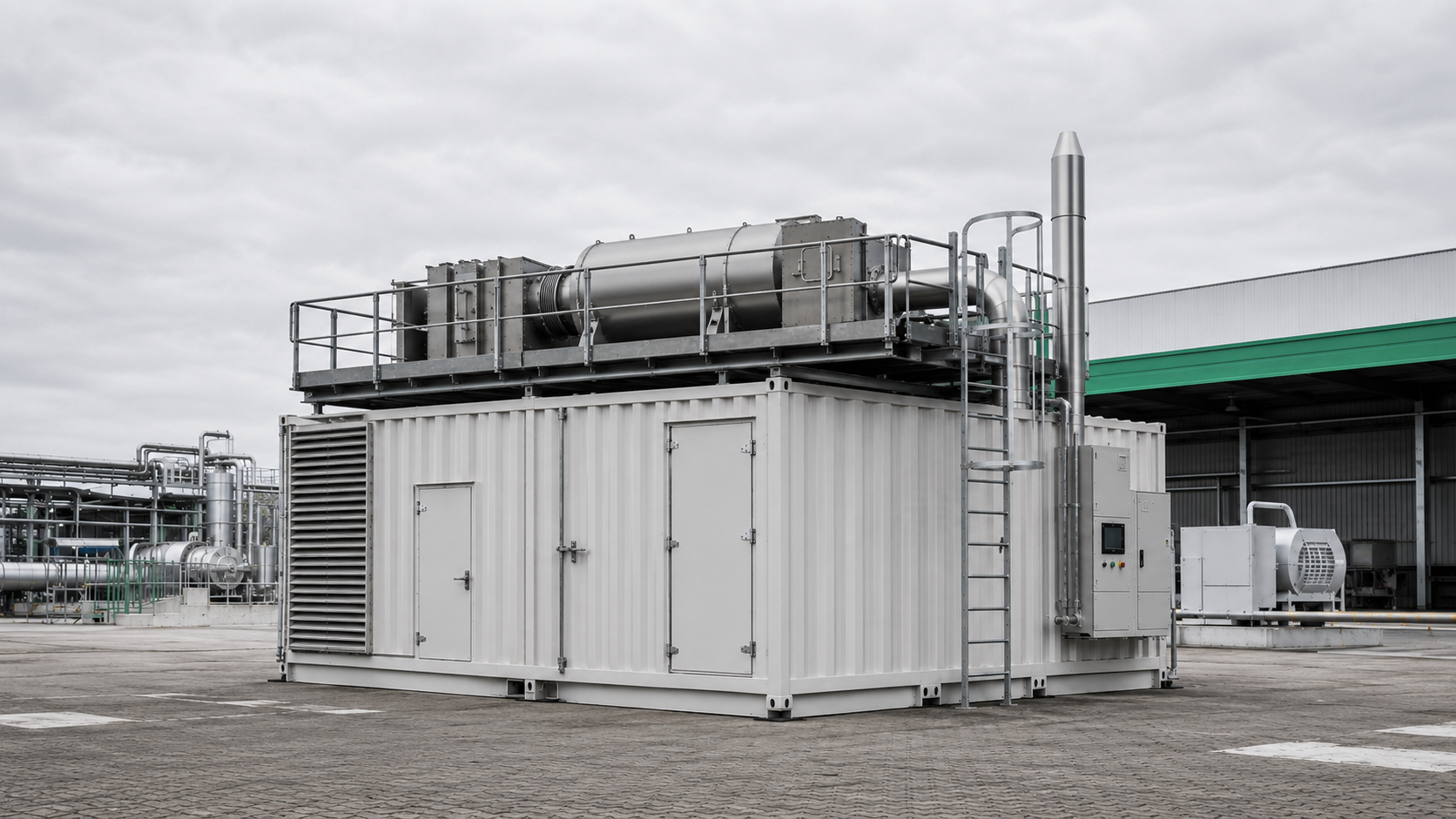
Hug Engineering supplies integrated exhaust aftertreatment systems for stationary gas and liquid-fuel engines. Depending on the project, the scope can include SCR, oxidation catalyst, DPF, dosing, mixing, reactors, controls, monitoring, commissioning, service and acoustic integration where required.
Hug Engineering supports engine-based power generation applications such as peaking power, grid balancing, spinning reserve, continuous duty, prime power, CHP, BHKW, cogeneration, off-grid generation, bridge power and greenhouse CO₂ fertilization.
No. Power Generation engines are intended to run and create commercial value through electricity, heat, grid services or productive CO₂ use. Mission Critical systems are primarily installed to remain ready for emergency backup. The technologies can overlap, but the duty cycle and engineering priorities are different.
Yes. Hug Engineering has experience with both high-speed and medium-speed engine applications. The final system design depends on engine data, fuel, exhaust conditions, site limits and operating profile.
SCR reduces NOx. If the site also has limits for CO or VOC, an oxidation catalyst may be needed. If particulate matter is part of the requirement, a DPF may also be required. The right system follows the engine-out emissions and the permit, not a fixed product bundle.
SCR chemically reduces NOx using a reducing agent and catalyst. A DPF physically captures particulate matter and soot. They solve different emissions problems and can be used separately or together.
SCR plus DPF is relevant when the project must control both NOx and particulate matter. This is more common for diesel or other particulate-producing engines, or where the local permit includes strict PM, soot or visible-plume limits.
An oxidation catalyst reduces carbon monoxide and unburned hydrocarbons or VOCs. It is often relevant for lean-burn gas engines where NOx, CO and VOC limits must be addressed together.
Percentage reduction can hide the importance of the remaining emissions. For a site with a fixed emissions budget, reducing residual NOx from 2 ppm to 1 ppm can be commercially much more meaningful than the percentage difference suggests, because the remaining NOx mass is reduced significantly.
Potentially, yes — if the site-level emissions permit is the limiting factor. Very low residual emissions can create more headroom within the same emissions envelope. The final result depends on the permit method, operating hours, exhaust flow, reference oxygen, startup emissions and other pollutants.
There is no universal value for every project. Hug Engineering has reported very low natural-gas engine performance, including real-world NOx below 1.5 ppm in a specific context, but every guaranteed value depends on engine data, fuel, duty cycle, catalyst design, control strategy and reference conditions.
It means that if a site is limited by a fixed allowed emissions mass, reducing residual emissions per engine can create room for more installed power, more operating hours or more dispatch flexibility. This must always be evaluated project by project.
Exhaust temperature, flow and emissions change across startup, low load, ramping and full-load operation. The SCR system must be designed around the real operating profile, not only a steady-state full-load point.
Yes, but the system must be engineered for dynamic operation. Peaking and balancing plants often face startup, ramping and low-load conditions that require careful dosing, mixing, controls and catalyst design.
Catalysts need the right temperature window to perform effectively. During startup or low-load operation, exhaust conditions can delay dosing or reduce conversion efficiency. That is why the guaranteed operating envelope must be defined clearly.
The core technologies may be similar, but the optimization is different. Continuous-duty systems place more weight on durability, reagent efficiency, maintenance and sustained compliance, while peaking systems place more weight on dynamic response and dispatch flexibility.
Yes, subject to engineering review. A retrofit must account for available space, exhaust routing, backpressure, structural supports, service access, controls integration, outage windows and permit requirements.
Hug Engineering typically needs engine model and rating, fuel, exhaust flow, exhaust temperature, engine-out emissions, load profile, required outlet limits, backpressure limits, available space, utility interfaces and the required commissioning or guarantee scope.
Excessive backpressure can affect engine performance and efficiency. The complete gas path, including reactors, catalysts, filters, silencers, transitions and aging or soot-loading margins, has to stay within the engine manufacturer’s allowable limits.
Hug Engineering coordinates the aftertreatment system as a complete scope - including reactor design, dosing, mixing, controls, documentation and support - so the customer is not left reconciling separate component responsibilities on site.
Requirements depend on country, plant size, fuel, engine type, operating hours, installation date and local permit conditions. Important signposts include the EU MCPD, Germany’s 44. BImSchV, U.S. stationary engine rules, New Source Review, Title V and local air permits.
The MCPD is the EU Medium Combustion Plant Directive. It applies to combustion plants within a defined thermal input range and addresses pollutants such as NOx, SO₂ and dust. National implementation and local permits determine the detailed requirements.
44. BImSchV is the German regulation for medium combustion, gas turbine and internal combustion engine installations. It is highly relevant for German BHKW, CHP and stationary engine projects because it shapes emissions requirements and search intent.
Hug Engineering can engineer the aftertreatment system around the emissions limits and technical basis that apply to the project. Final legal applicability and permit interpretation remain with the owner, permitting consultant and competent authority.
If the emissions system cannot operate and the permit does not allow the engine to run without it, the plant may need to reduce load or stop. For revenue-producing plants, the aftertreatment system must protect generating availability, not become the weak point.
Hug Engineering supports customers with service, spare parts, technical support, training, service contracts and remote support where applicable. The goal is to sustain compliance and help resolve issues quickly over the system lifecycle.
Hug Connect can provide monitoring, alarms, remote diagnosis, reporting and maintenance planning for connected systems. It supports service visibility and helps operators manage compliance-related system performance.
Not necessarily. The relevant cost is the total installed and lifecycle cost: equipment, engineering, integration, controls, utilities, installation, commissioning, maintenance, service and operating risk.
CodiNOx is Hug Engineering’s greenhouse emissions-reduction solution. It cleans gas-engine exhaust so that the CO₂ can be reused for greenhouse fertilization, combining emissions control with the productive use of exhaust gas.
Greenhouse crops are exposed to the treated exhaust stream, so the exhaust quality must be carefully controlled. Very low residual emissions can be important for crop safety, local limits and the ability to expand greenhouse capacity.
Yes. Greenhouse systems often use gas-engine CHP: the engine produces electricity and heat, while the treated CO₂ can support crop growth. This makes it a Power Generation application with a specialized emissions requirement.